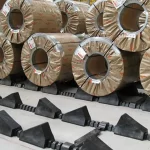
In the world of coil processing, the focus often falls on storage solutions such as coil skids, rollstops, and multilevel racking systems. However, an equally vital yet less visible component in this ecosystem is the slitter knife. These precision tools are at the heart of transforming wide metal coils into usable strips — making them indispensable to manufacturing and metal service operations.
What Are Slitter Knives?
Definition and Purpose in Coil Processing
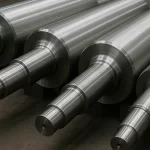
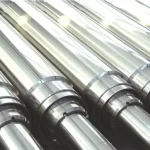
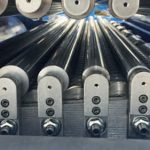
Slitter knives are specialized industrial cutting tools used in slitting lines to cut large metal coils into narrower widths. These strips are then used in industries such as automotive, construction, and appliances. Each knife must maintain high dimensional accuracy to avoid uneven edges, burrs, or material deformation.
Types of Slitter Knives Used in Industry
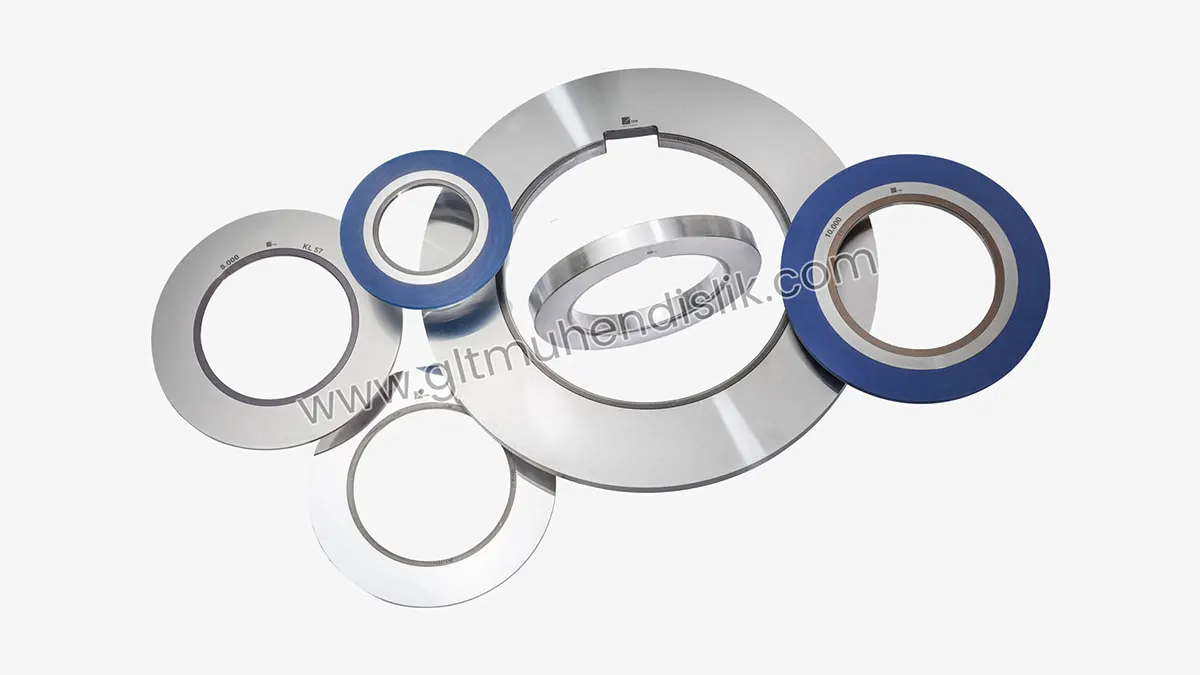
There are several types of slitter knives based on configuration and material:
- Top and Bottom Slitter Knives
- Separator Discs
- Rubber Bonded Rings
- Shear Slitting vs. Crush Slitting Blades
Importance of Slitter Knives in Metal Coil Processing
Precision Cutting for Width Optimization
Using the right slitter knife ensures consistent width across long coils, reducing waste and enabling exact-fit components for downstream production lines.
Impact on Production Efficiency and Waste Reduction
High-quality slitter knives reduce downtime caused by regrinding, blade failures, or misalignment. This enhances operational flow and material utilization — translating directly to cost savings.
Key Features of High-Quality Slitter Knives
Material Composition and Hardness
Premium slitter knives are made from hardened tool steels, carbide, or D2/HSS materials — all engineered for long life and exceptional edge retention.
Surface Finish and Coating Technologies
Advanced coatings like TiN (Titanium Nitride) or CrN (Chromium Nitride) reduce friction, wear, and corrosion — essential for processing stainless steel or galvanized materials.
Compatibility with Slitting Lines and Coil Types
Every slitter knife must match the thickness, hardness, and width of the coil being processed. Custom-fit blades from experienced manufacturers help prevent tool failure and material damage.
Challenges and Maintenance in Slitter Knife Usage
Wear, Regrinding, and Alignment Issues
Even the best knives lose sharpness over time. Regular inspection, regrinding, and proper alignment are essential to maintain slit quality and avoid edge defects.
Preventive Maintenance and Performance Monitoring
Setting up a scheduled maintenance program reduces blade failures and production interruptions. Real-time monitoring systems can track knife wear and suggest maintenance cycles proactively.
GLT Muhendislik’s Expertise in Slitter Knife Solutions
Customized Knife Solutions for Coil Processors
GLT Muhendislik provides tailor-made slitter knife solutions for all coil types, ensuring optimal match with your production requirements and materials.
Integration with Complete Coil Handling Systems
GLT’s strength lies in its holistic approach — combining coil storage systems, rollstops, skids, and slitter knives into an integrated solution. This results in smoother workflows, safer operations, and measurable efficiency gains.
Conclusion: Enhancing Coil Processing with Precision Tools
While coil storage systems ensure safety and organization, slitter knives play a frontline role in actual material transformation. Choosing the right blade can drastically improve productivity, precision, and profitability. With the expert engineering of GLT Muhendislik, businesses across Europe and Asia gain access to industry-leading slitter knives — built to perform and built to last.
🔧 Need high-performance slitter knives for your operation?
Contact GLT Muhendislik today to find the perfect cutting solution for your coil processing line.