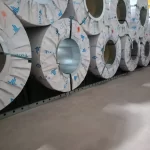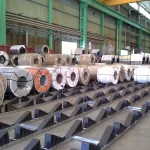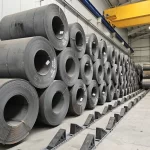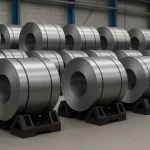
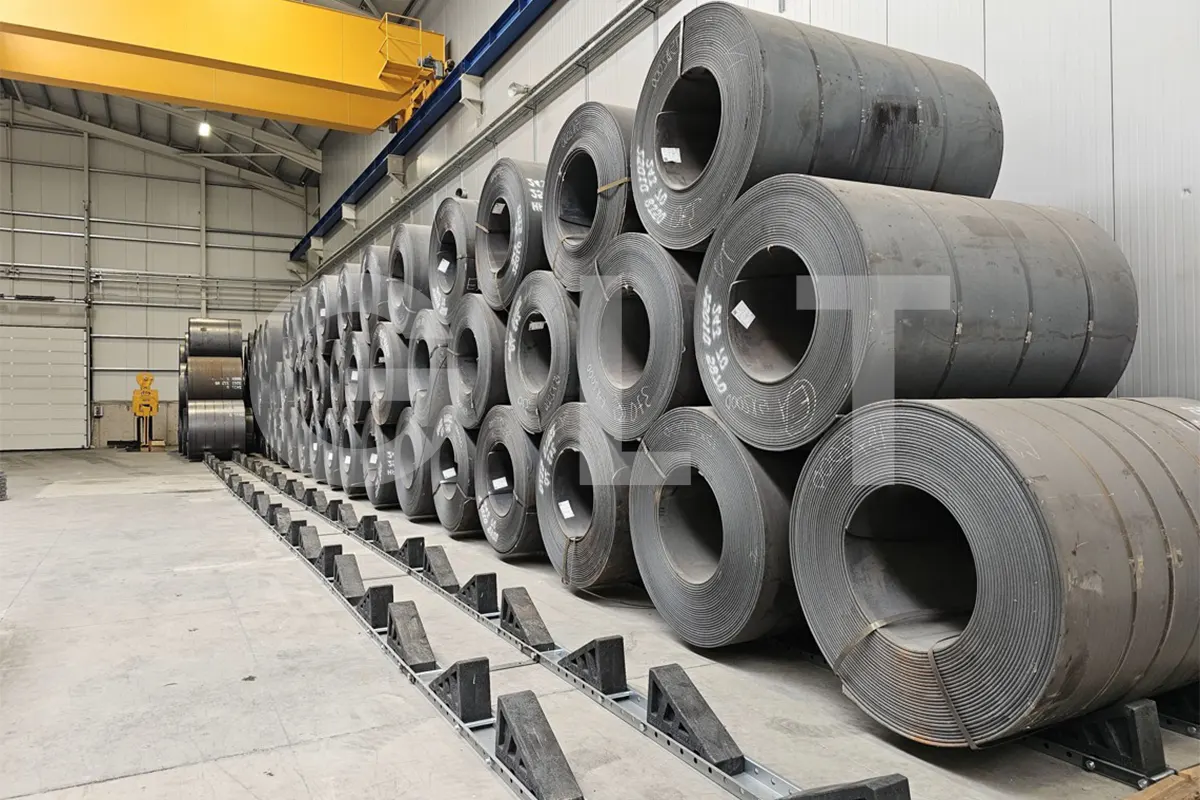
In the heavy-duty world of metal processing and logistics, the storage of steel and aluminum coils presents a unique set of engineering challenges. Beyond mere organization, the primary goals are operational safety, damage prevention, and floor space optimization. This is where professional coil storage blocks (also known as coil saddles or storage shoes) become the backbone of a modern warehouse.
At GLT Engineering, we’ve combined European engineering standards with innovative design to redefine how global industries handle their metal assets. This guide explores everything you need to know about selecting, implementing, and maximizing the efficiency of coil storage systems.
1. What are Coil Storage Blocks?
Coil storage blocks are specialized, high-durability supports designed to cradle heavy metal coils securely. Unlike improvised solutions like wooden skids or scrap rubber, these blocks are engineered to distribute the massive localized weight of a coil—often exceeding 25-30 tons—across a broader surface area.
Why Quality Matters
When dealing with “Coil Storage Blocks,” the material and geometry are non-negotiable. Using inferior supports can lead to:
- Coil Slumping: Deforming the inner or outer layers of the metal.
- Surface Damage: Scratches or pressure marks that devalue the product.
- Safety Hazards: Unstable coils posing a fatal risk to warehouse personnel.
2. The GLT Advantage: Triple Stacking & Efficiency
Most warehouses struggle with limited horizontal space. The “Golden Rule” of modern efficiency is verticality.
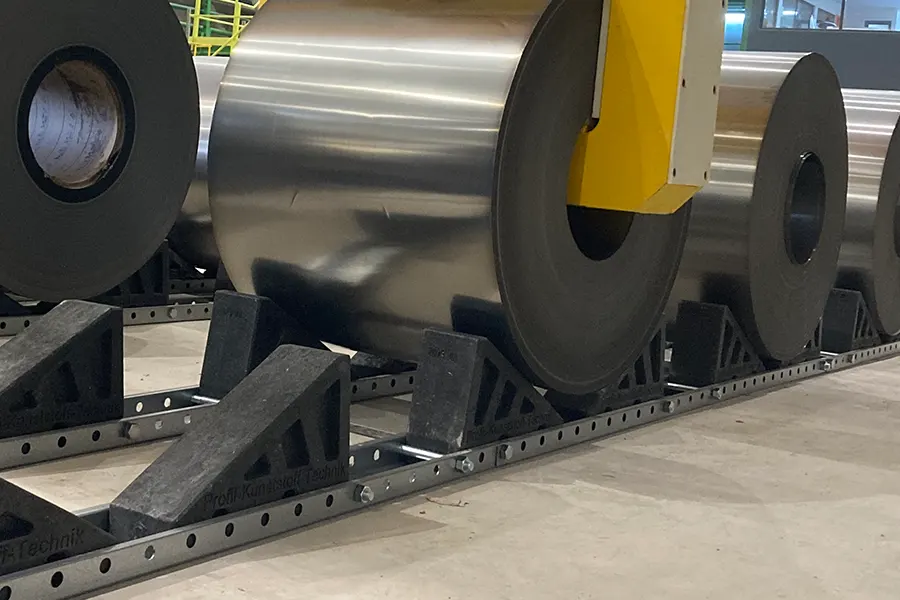
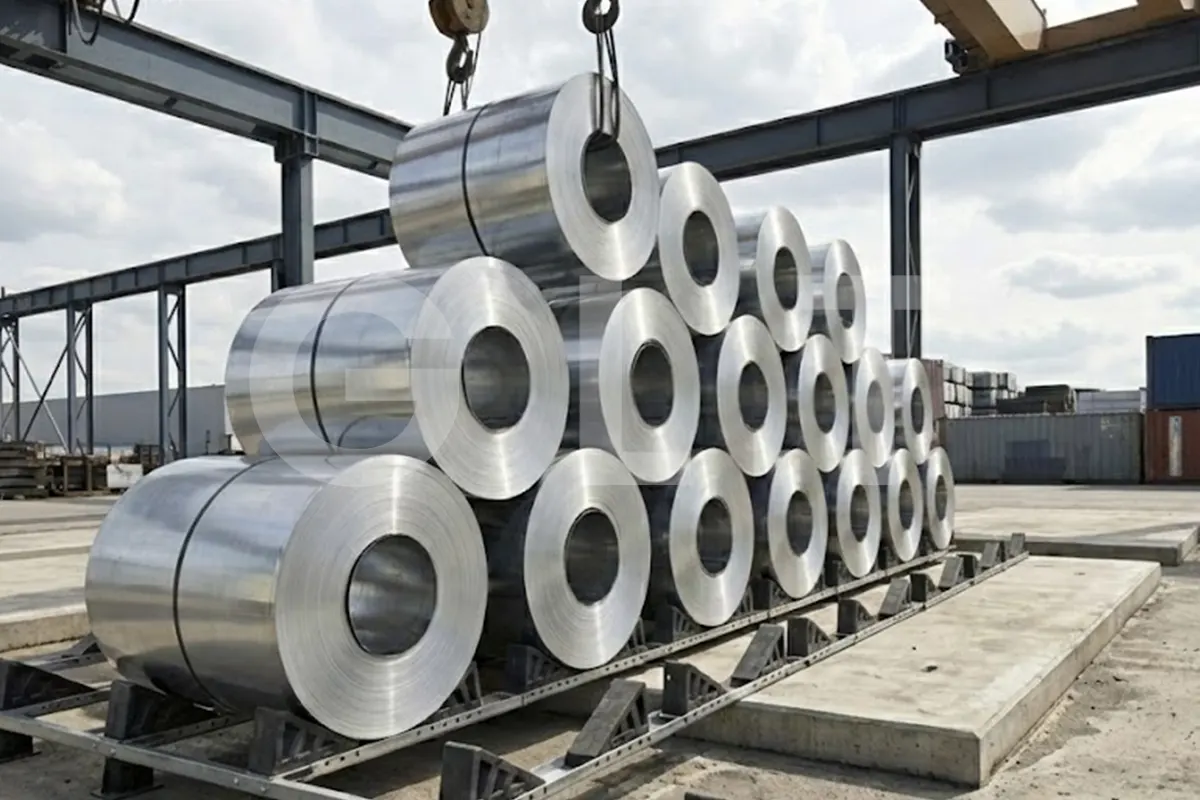
One of the standout features of the GLT Coil Storage System is its ability to facilitate triple stacking (3 layers). By using adjustable high-performance plastic shoes mounted on reinforced steel rails, our system ensures that the weight of the upper coils is precisely balanced and transferred through the blocks to the ground, rather than crushing the coils beneath.
3. Key Technical Features to Look For
When evaluating coil storage blocks, look for these engineering hallmarks:
A. Material Durability (Engineered Plastics)
While wood rots and rubber compresses over time, GLT uses high-grade, oil-resistant, and impact-resistant materials. These blocks are designed to withstand the harsh environments of steel mills where oil, grease, and temperature fluctuations are constant.
B. The V-Shape Geometry
A precision-engineered V-angle is critical. It ensures that the coil remains centered. If the angle is too shallow, the coil may roll; if it’s too steep, it puts unnecessary pressure on specific points of the coil surface.
C. Adjustable “Shoe” System
Fixed systems are rigid. GLT’s system features adjustable plastic shoes that slide along a rail. This allows for the storage of various coil diameters (from small slit coils to massive mother coils) without needing to replace the entire setup.
4. Safety First: Meeting International Standards
For global companies, compliance is key. Professional coil storage blocks must align with European quality standards. At GLT, we don’t just sell a product; we provide engineering support. Each installation is backed by certificates that guarantee load-bearing capacities and safety margins.
Pro Tip: Always check the “Load Distribution” data of your storage blocks. A high-quality block should prevent the “point loading” effect that damages expensive warehouse flooring.
5. Comparing Storage Methods: Why Move Away from Wood?
| Feature | Wooden Skids | Rubber Mats | GLT Storage Blocks |
| Durability | Low (Splits/Rots) | Medium (Compresses) | Very High (Lifetime Use) |
| Safety | Unpredictable | Moderate | High (Certified) |
| Stacking | Single Layer | Max 2 Layers | Triple Stacking (3 Layers) |
| Cleanliness | Dust/Splinters | Oil Absorption | Clean & Oil Resistant |
6. How to Implement a Modular Coil Storage System
Transitioning to a professional system is a strategic investment.
- Analyze Coil Diameters: Ensure your blocks are adjustable to your specific range.
- Evaluate Floor Load: Ensure your warehouse floor can handle the concentrated weight of triple-stacked coils.
- Consult Engineering Support: At GLT, we assist in the planning phase to ensure the rails and blocks are laid out for maximum forklift accessibility.
7. Deep Dive: The Engineering Behind Load Distribution
One of the most misunderstood aspects of coil storage is point loading. A steel coil weighing 20 tons creates immense pressure on a very small contact area.
Standard coil storage blocks from GLT are designed using Finite Element Analysis (FEA) to ensure the weight is distributed evenly across the rail system. This engineering prevents “floor punching,” a common issue where warehouse concrete cracks under pressure. Our engineered plastics offer a specific Shore D hardness that provides enough “give” to protect the coil surface, yet enough rigidity to support three layers of stacking without deformation.
8. Financial Impact: Return on Investment (ROI) Analysis
Many procurement managers look at the initial cost of wood vs. professional blocks. However, the long-term ROI of GLT systems is undeniable:
- Replacement Costs: Wooden skids last 3-6 months. GLT blocks are designed for a 10+ year lifespan.
- Product Damage Claims: A single scratch on a high-grade automotive steel coil can cost thousands of dollars. Professional blocks eliminate this risk.
- Space Savings: By enabling triple stacking, you effectively triple your warehouse capacity without renting or building new square footage.
Example: A warehouse storing 1,000 coils can reduce its required footprint by 60% by switching from single-layer wooden storage to a GLT triple-stacking system.
9. Sector-Specific Applications
A. Automotive Industry
For Class-A surface coils used in car bodies, even a microscopic dent is a rejection. Our adjustable plastic shoes are non-marking and chemically inert, ensuring no reactions with protective oils.
B. Aluminum & Non-Ferrous Metals
Aluminum is softer than steel. Our blocks provide a wider contact cradle to ensure the coil’s weight doesn’t cause “ovalization” (deforming the round shape), which is critical for high-speed unrolling lines.
C. Steel Service Centers
High turnover requires speed. The interlocking rail system allows forklift operators to position coils quickly and safely, knowing the block will not slide or tip.
10. Maintenance and Safety Inspection Protocol
To maintain your coil storage system in peak condition, we recommend a simple quarterly inspection:
- Debris Check: Ensure no metal shavings are embedded in the plastic shoe to prevent scratching.
- Rail Alignment: Verify that the floor-mounted rails remain parallel.
- Visual Wear Inspection: Check for significant impact damage from forklift tines.
Conclusion: The Future of Coil Warehousing
The humble coil storage block is no longer just a piece of plastic or rubber; it is a critical component of industrial safety and logistics efficiency. By choosing a system that supports triple stacking and offers the durability of European engineering, you are protecting both your people and your profit margins.
Looking for a certified, high-durability solution?
Explore the Coil Storage System at GLT Engineering and discover how our global expertise can transform your warehouse operations.