The metal warehousing industry is undergoing an unprecedented transformation. As production speeds increase and supply chains become more complex, traditional warehouse management systems are making way for innovative technologies and flawless safety standards. As we navigate through 2026, catching up with trends that maximize efficiency and occupational safety is no longer an option—it is a strict necessity for facilities wanting to maintain a competitive edge.
So, what dynamics are shaping the future of metal and heavy industry storage? Here are the most significant trends steering the sector in 2026:
1. Smart Warehouse Automation and IoT Integration
Automation is reaching its peak to minimize human error and accelerate operational speed in storage facilities. In 2026, Autonomous Guided Vehicles (AGVs) and robotic crane systems are becoming the standard for handling heavy steel coils and metal sheets. Through IoT sensors, the weight distribution, ambient temperature, and humidity levels of stored materials are monitored in real-time, effectively preventing material fatigue and corrosion.
2. Maximum Space Optimization: High Capacity in Tight Spaces
The rising cost per square meter in industrial zones is pushing warehouse managers to utilize vertical and horizontal space as efficiently as possible. Traditional, scattered placement methods are being replaced by modular storage systems designed with millimeter precision. Floor-friendly, space-saving systems for stacking heavy-tonnage materials are among the most heavily invested areas in 2026.
3. Enhanced Occupational Safety and Modern Equipment Standards
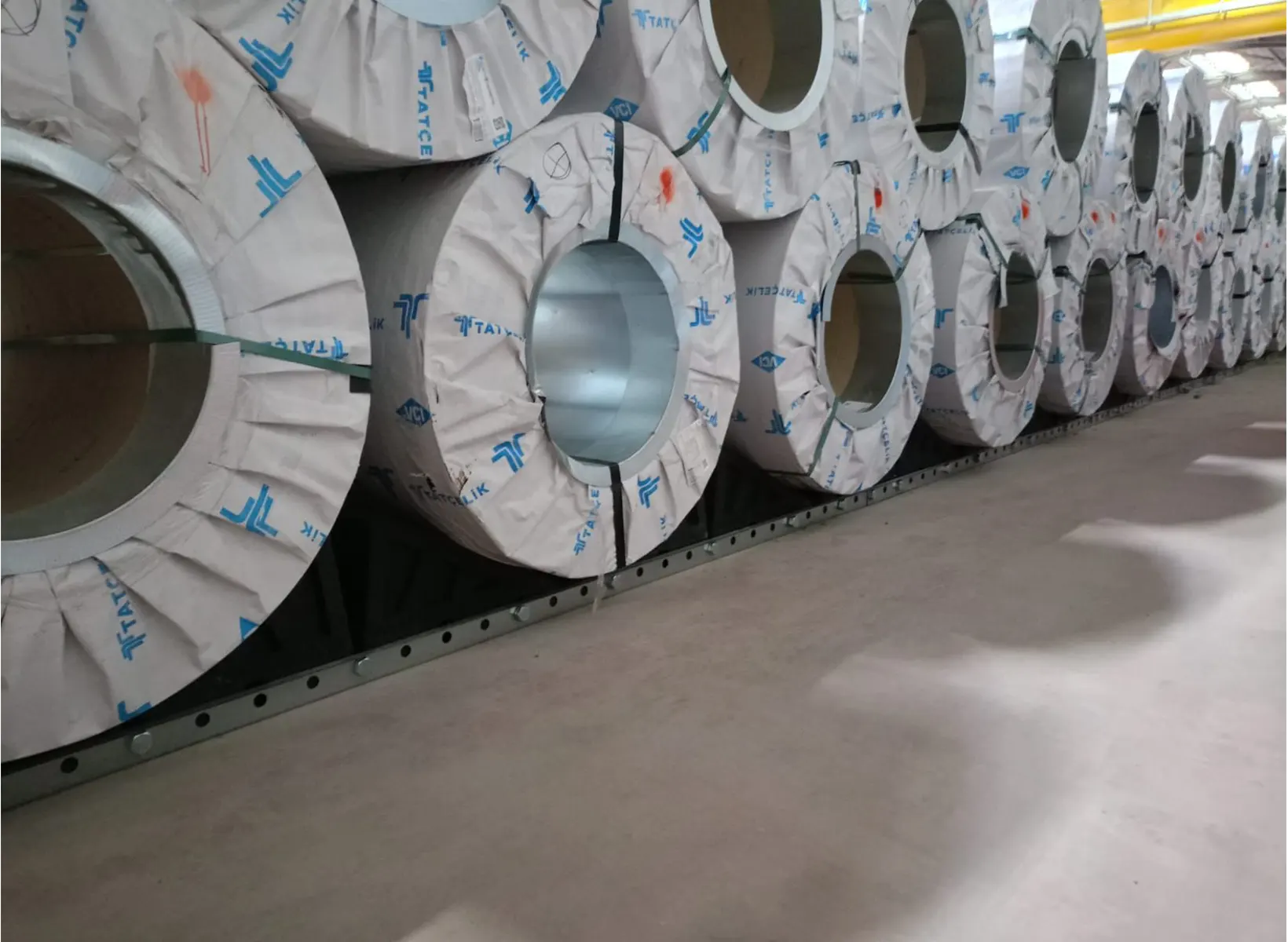
Eliminating workplace accidents through a “Zero Defect” policy is the number one priority for modern facilities. In the past, the slipping or tipping of heavy metal coils could lead to severe disasters. The trends of 2026 mandate the use of specially engineered, high-strength storage blocks instead of outdated wooden chocks or makeshift supports.
To upgrade your facility’s safety protocols to modern standards and ensure the flawless stabilization of heavy materials, you must review our most comprehensive resource on the subject. Check out The Ultimate Guide to Coil Storage Blocks: Ensuring Safety and Efficiency in Metal Coil Warehousing to learn exactly how to reduce operational risks to zero with the right equipment choices.
4. The Shift Towards Sustainable and Long-Lasting Materials (Polymer Solutions)
Environmental sustainability goals are also changing the composition of auxiliary equipment used in the metal storage sector. Wooden or low-quality plastic supports that wear out quickly, break, and require constant replacement are giving way to recyclable, high-density polymer and polyurethane materials. These next-generation materials offer extra resistance against oil and chemicals, and by maintaining their form for years, they significantly reduce long-term operating costs.
Conclusion: Future-Proof Your Facility
2026 is the year we say goodbye to traditional methods in the metal warehousing sector and embrace engineering marvels. Businesses that invest in smart systems, space optimization, and most importantly, next-generation safety blocks, will not only protect their employees but also maximize their operational profitability. Adapting to change today is the fundamental key to becoming an industry leader tomorrow.