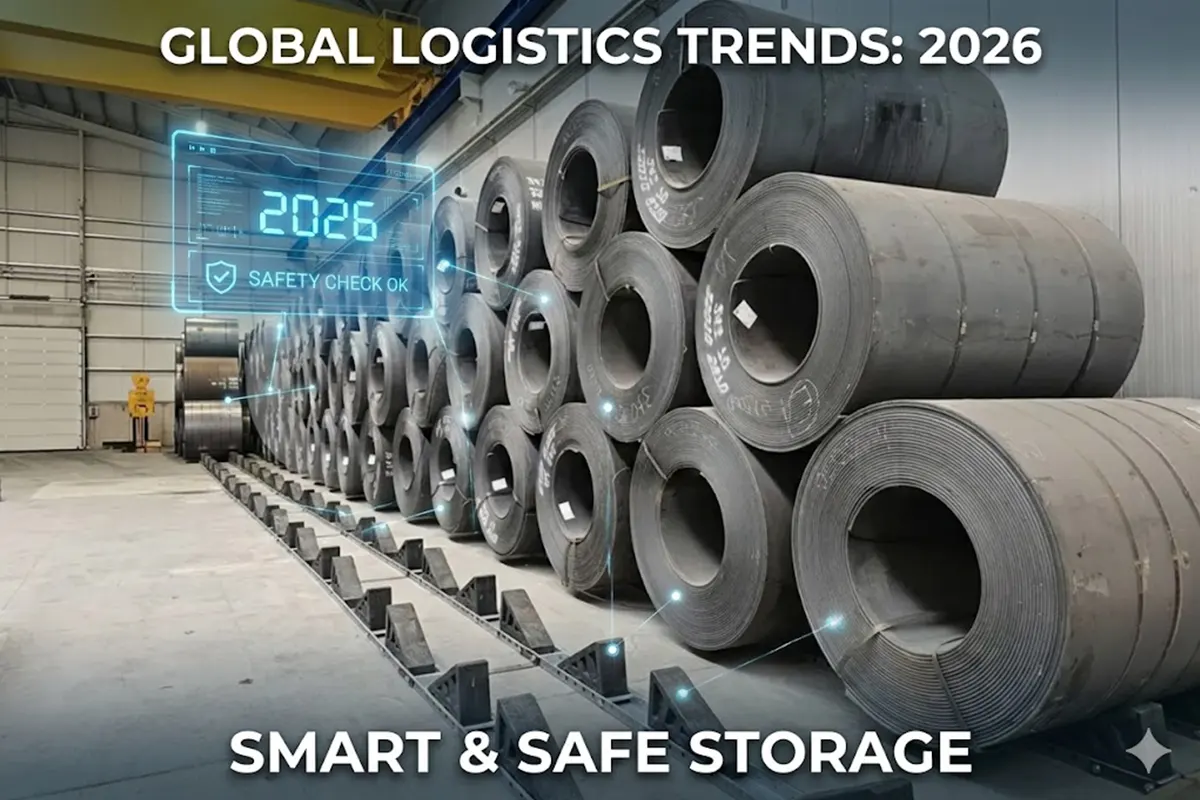
As we move through 2026, the global metal industry is witnessing a seismic shift in how heavy-duty materials are handled. No longer is a warehouse just a storage space; it has become a high-tech node in a global supply chain where safety, space optimization, and structural integrity are the primary KPIs. For decision-makers in the steel and aluminum sectors, staying ahead means moving beyond outdated timber cradles toward engineered solutions.
2026 Industry Snapshot:
- Primary Trend: Shift from timber to high-durability polymer interlocking systems.
- Safety Goal: Achieving “Zero-Harm” through certified load-bearing calculations.
- Efficiency: Up to 40% more floor space utilization via modular stacking.
The “Zero-Harm” Mandate: Safety Standards in 2026
The most significant trend this year is the tightening of international safety regulations. Regulatory bodies in Europe and North America have shifted toward a “Zero-Harm” mandate, making the stability of metal coils a non-negotiable priority.
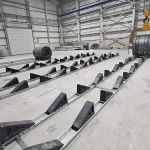
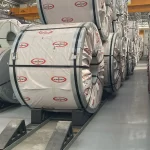
Traditional storage methods often lead to “coil creep” or catastrophic tipping, which results in millions of dollars in equipment damage and, more importantly, poses a severe risk to human life. Modern facilities are now standardizing on a safe coil storage system that utilizes high-performance polymers and interlocking designs to ensure that every ton of steel remains exactly where it is placed.
Maximizing Density: The Vertical Shift
In 2026, industrial real estate costs are at an all-time high. Logistics managers are no longer looking for “more floor”; they are looking for “better density.” The trend is shifting toward modular, high-load-bearing storage blocks that allow for multi-layer stacking without compromising the surface quality of the coils.
By implementing precision-engineered blocks, companies can increase their storage capacity by up to 40% within the same footprint. For a comprehensive look at how these metrics are calculated, you can explore the ultimate guide to coil storage blocks, which breaks down the math behind modern metal warehousing.
Comparative Analysis: Traditional vs. 2026 Engineered Storage Solutions
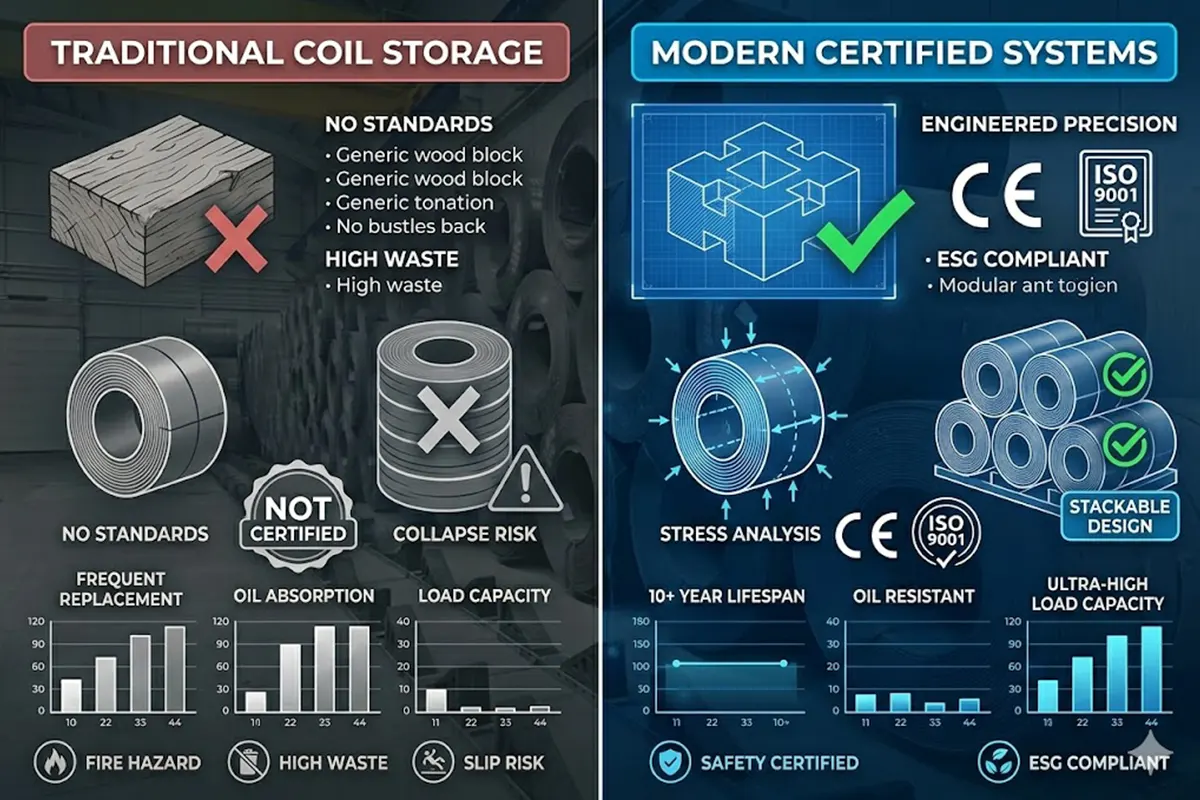
| Feature | Traditional Timber | Modern GLT Systems (2026) |
| Durability | Low (Frequent Replacement) | High (Decade+ Lifespan) |
| Safety Certification | Non-standardized | ISO & CE Compliant |
| Oil Resistance | Absorbs (Slip Hazard) | Impermeable (Non-Slip) |
| Space Efficiency | Single Layer | Multi-Layer Stacking |
Durability Meets Sustainability
Sustainability is no longer a buzzword; it’s a requirement for 2026 carbon-footprint reporting. Metal manufacturers are moving away from single-use wood and toward recyclable, ultra-durable storage systems.
These systems are designed to withstand extreme oil contact and heavy pressure for decades, reducing the need for constant replacement. As a trusted coil storage system manufacturer in Europe, GLT Engineering is at the forefront of this movement, providing solutions that balance heavy-duty performance with environmental responsibility.
Conclusion: Adapting to the New Era
The future of metal logistics is defined by precision. Whether it’s the lightning-fast delivery of data through global CDNs or the physical stability of a 30-ton steel coil, speed and safety must work in tandem. To remain competitive in 2026, upgrading to an engineered storage environment is not just an option—it is the standard.