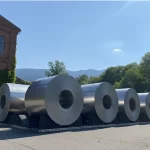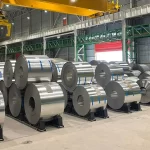
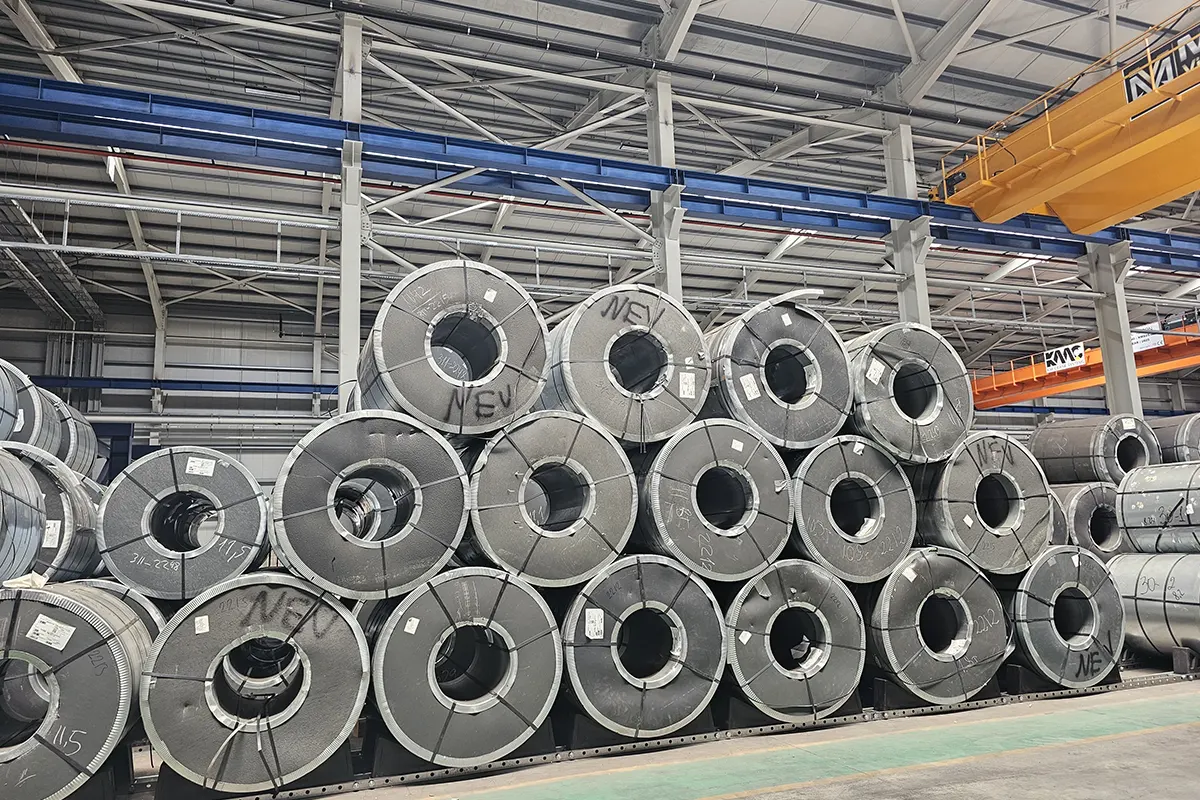
Brazil’s dynamic steel industry, driven by global heavyweights like Gerdau, Usiminas, and CSN, demands robust and flawless logistics. For warehouse managers, storing massive steel coils—often weighing between 10 to 30 tons each—presents a monumental challenge. The core objective is clear: optimizing every square meter of industrial steel roll warehousing space while eliminating the risk of catastrophic workplace accidents.
When designing and implementing steel coil storage systems in Brazil, facilities cannot rely on makeshift solutions. Unsecured coils placed directly on flat concrete floors pose severe crushing hazards and can cause irreversible damage to the outer layers of the metal. To achieve safe metal coil handling, warehouses must transition to engineered solutions, whether that means utilizing polymer coil blocks for ground-level stability or investing in vertical heavy duty coil racks.
The Crucial Role of NR-11 in Coil Warehousing
In Brazil, warehouse safety is not just a best practice; it is strictly governed by the law. The NR-11 (Norma Regulamentadora 11) standard sets non-negotiable legal requirements for the transportation, movement, storage, and handling of heavy materials.
If a facility attempts 3-tier coil stacking solutions without certified, friction-tested floor tracks or polymer saddles, they immediately violate NR-11 guidelines. Non-compliance not only invites heavy fines from labor inspectorates but also puts lives at risk. Therefore, any high-capacity coil storage project in Brazil must start with NR-11 compliant equipment that guarantees weight distribution and prevents lateral rolling.
Floor-Level Solutions: Polymer Coil Blocks and Track Systems
For steel distributors and manufacturers with sufficient ground space, floor-level stacking is the most common approach. However, stacking multi-ton metal rolls directly on the floor using traditional wooden wedges is highly dangerous and often leads to material degradation. To safely achieve 3-tier coil stacking solutions, facilities are adopting engineered polymer base systems.
These modern setups utilize floor track systems for steel coils combined with highly durable synthetic wedges.
The Mechanics of Polymer Coil Saddles
A standard floor-level system consists of steel or composite rails anchored to the warehouse floor. Along these rails, adjustable V-shaped polymer coil blocks (often referred to as coil saddles) are positioned to match the exact diameter of the incoming inventory. Once the base layer of coils is locked into these saddles, the second and third tiers can be stacked in a pyramid formation.
Transitioning to polymer-based systems offers three distinct operational advantages for Brazilian warehouses:
- Zero Surface Damage: Unlike steel cradles or rough wood, polyurethane and synthetic polymers are engineered to be softer than the steel coils they support. This prevents pressure marks, scratches, and indentation on the outer layers, significantly reducing material waste.
- Dynamic Scalability: The modular nature of these track systems allows warehouse managers to adjust the spacing between blocks instantly. Whether you are storing narrow slit coils or massive master rolls, the system adapts without requiring heavy construction.
- Guaranteed Stability (NR-11 Compliant): The base tier in a 3-tier pyramid absorbs the immense downward and lateral forces of the upper layers. Friction-tested polymer systems grip the coils securely, preventing the lateral rolling that causes catastrophic accidents, thereby keeping the facility in strict compliance with Brazilian safety audits.
Key Insight: When implementing a 3-tier pyramid layout, the structural integrity of the warehouse floor (concrete slab capacity) is just as critical as the polymer blocks themselves. A single pyramid column can concentrate over 60 tons of pressure on a very small surface area.
The Mechanics of 3-Tier Pyramid Stacking
Achieving a safe 3-tier coil stacking solution requires more than just placing coils on top of one another. The geometry and physics of the stacking process must be meticulously managed to prevent lateral spread—the dangerous phenomenon where the weight of the top coils forces the bottom coils apart.
In a state-of-the-art industrial steel roll warehousing setup, this is managed through interlocking floor rails and heavy-duty polymer wedges.
How the Roll Stop System Works
- The Base Layer: The first tier of steel coils is placed onto the adjustable polymer saddles that sit on fixed floor rails. The distance between these saddles is adjusted precisely to the coil’s diameter, locking the base layer firmly in place.
- The Interlocking Tiers: Once the base layer is secure, the second tier is nested into the valleys created between the first-tier coils. Finally, the third tier rests in the valleys of the second.
- Force Distribution: The engineered V-shape of the polymer coil blocks directs the immense downward force vertically into the concrete floor, neutralizing the outward lateral pressure. This ensures the entire three-story steel pyramid remains entirely stationary, even under maximum load.
Material Excellence: Why Polyurethane and Composites Win
In the harsh environment of a Brazilian steel processing plant, the materials used for safe metal coil handling must withstand extreme conditions. Modern storage wedges are manufactured from high-grade synthetic polymers, polyurethanes, or recycled composite plastics.
These materials offer critical advantages over traditional wood or steel chocks:
- Extreme Load Bearing: Premium polymer saddles are engineered to carry dynamic loads exceeding 100 tons without cracking or deforming.
- Oil and Chemical Resistance: Steel coils are often treated with anti-rust oils and protective chemicals. Unlike wood, which absorbs oil and rots, or rubber, which degrades, high-density polymers are completely impervious to industrial lubricants.
- Temperature Tolerance: From the intense heat of a metallurgical plant in Minas Gerais to the cooler storage facilities in the south of Brazil, these polymer systems maintain their structural integrity and elasticity across extreme temperature fluctuations.
Maximizing Warehouse ROI Without Heavy Construction
One of the biggest hurdles for Brazilian steel distributors is expanding capacity without building new facilities. By implementing engineered floor track systems for steel coils, facilities can transition from single-tier floor storage to a 3-tier pyramid configuration.
This instantly increases storage capacity by up to 70% in the exact same footprint. Furthermore, because these systems do not require the massive capital investment, permanent anchoring, and roof clearance of heavy-duty steel racks, the return on investment (ROI) is exceptionally fast. The setup is modular: as the facility’s inventory grows, managers can simply lay down more rails and add more blocks.
Ideal Applications: Who Should Implement Polymer Coil Systems?
This 3-tier floor storage solution is specifically engineered for facilities dealing with high-tonnage metal rolls where space optimization and safety are equally critical. In the Brazilian market, this system is highly recommended for:
- Steel Service Centers (Centros de Serviços de Aço): Facilities that frequently process, slit, and distribute large master coils and need dynamic, adaptable storage that can be instantly reconfigured without heavy construction.
- Automotive Stamping Plants: Manufacturers requiring pristine, zero-damage storage for high-quality galvanized or cold-rolled steel used in vehicle body panels.
- Port Logistics & Cargo Terminals: Ports handling the import and export of heavy metals where the ability to safely stack multi-ton coils in high-traffic, limited-space zones is absolutely essential.
- Aluminum and Copper Processing Facilities: Plants where the outer layers of the metal are particularly sensitive to scratching, deformation, and pressure marks from rough floor surfaces or traditional wooden chocks.
Expert Insight: The Hidden ROI of Safe Stacking
Upgrading warehouse infrastructure often raises concerns about capital expenditure, but industrial safety experts and logistics engineers view engineered polymer saddle systems as a high-yield, long-term investment.
“In the heavy metals industry, the financial impact of a single workplace incident or a rejected steel coil due to surface damage far exceeds the initial investment in certified polymer storage. By transitioning to an NR-11 compliant 3-tier pyramid system, facilities are not merely buying storage blocks; they are securing legal protection, preserving material integrity, and unlocking up to a 70% increase in usable operational space. The return on investment (ROI) is typically realized within the first fiscal year through reduced material waste and accelerated logistics flow.”
Strategic Advice for Warehouse Managers:
Before implementing a 3-tier pyramid configuration, always conduct a comprehensive floor load capacity test (slab statics). While polymer blocks perfectly distribute the load of the coils, the concentrated point load of a 3-tier pyramid requires a robust and certified concrete foundation to ensure absolute structural safety.
Conclusion: Elevating Safety and Efficiency in Brazilian Steel Logistics
Navigating the demands of the Brazilian steel sector requires a delicate balance between maximizing storage density and strictly adhering to local safety regulations like NR-11. Relying on outdated storage methods, such as wooden chocks or unsecured floor placement, is no longer a viable option for forward-thinking facilities. By integrating engineered floor track systems for steel coils and high-capacity polymer coil blocks, warehouse managers can safely unlock the immense potential of 3-tier coil stacking solutions.
This transition not only safeguards the workforce from catastrophic accidents and prevents costly material damage but also drastically optimizes existing floor space. The result is a highly efficient operation that delivers a rapid return on investment. Upgrading to a certified, friction-tested polymer storage system is the definitive step toward modern, risk-free industrial steel roll warehousing.
Secure Your Warehouse Operations Today
Are you ready to bring your facility into full compliance with NR-11 standards while maximizing your usable space? Do not leave your high-capacity coil storage to chance or risk regulatory penalties.
Contact our technical team today for a comprehensive warehouse consultation. We specialize in designing customized, scalable polymer block systems tailored specifically to your coil dimensions, floor layout, and operational workflow. Protect your team, preserve your valuable steel inventory, and optimize your facility’s footprint—reach out now to request a detailed, no-obligation quote for your Brazilian operations.