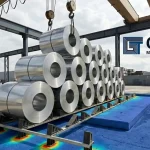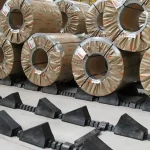
In industries that rely heavily on metal coils, such as steel manufacturing, automotive, and construction, the transportation and assembly of these massive materials present significant challenges. Traditional methods of handling coils can be inefficient, labor-intensive, and even hazardous. Coil skids, designed specifically to optimize the transportation and mounting of coils, provide an innovative solution to these issues. By ensuring stability, safety, and efficiency, coil skids play a crucial role in streamlining logistics and production processes.
In 2026, increasing safety standards, faster logistics expectations, and efficiency-driven production environments have made optimized coil handling more critical than ever.
This article explores the benefits of coil skids, their application in various industries, and how they enhance transportation and assembly efficiency.
What Are Coil Skids and How Do They Work?
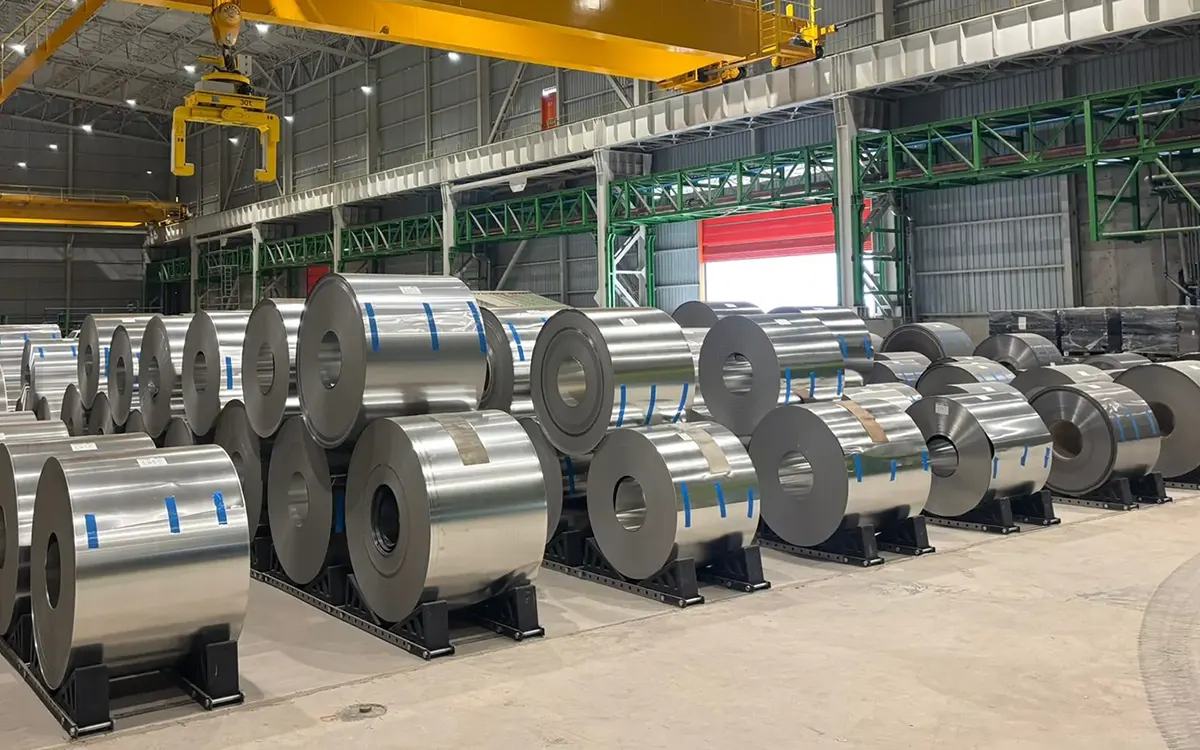
Coil skids are specialized platforms or structures used to store, transport, and mount coils securely. They are typically made from high-strength materials such as steel or heavy-duty wood and are designed to support substantial loads. The primary function of coil skids is to stabilize coils during movement and assembly, reducing the risk of damage or accidents.
Coil skids work by cradling the coil securely, preventing unwanted rolling or shifting. Many skids are equipped with adjustable supports and anti-slip surfaces to enhance security. Depending on the industry requirements, they can be customized in various shapes and sizes to accommodate different coil dimensions.
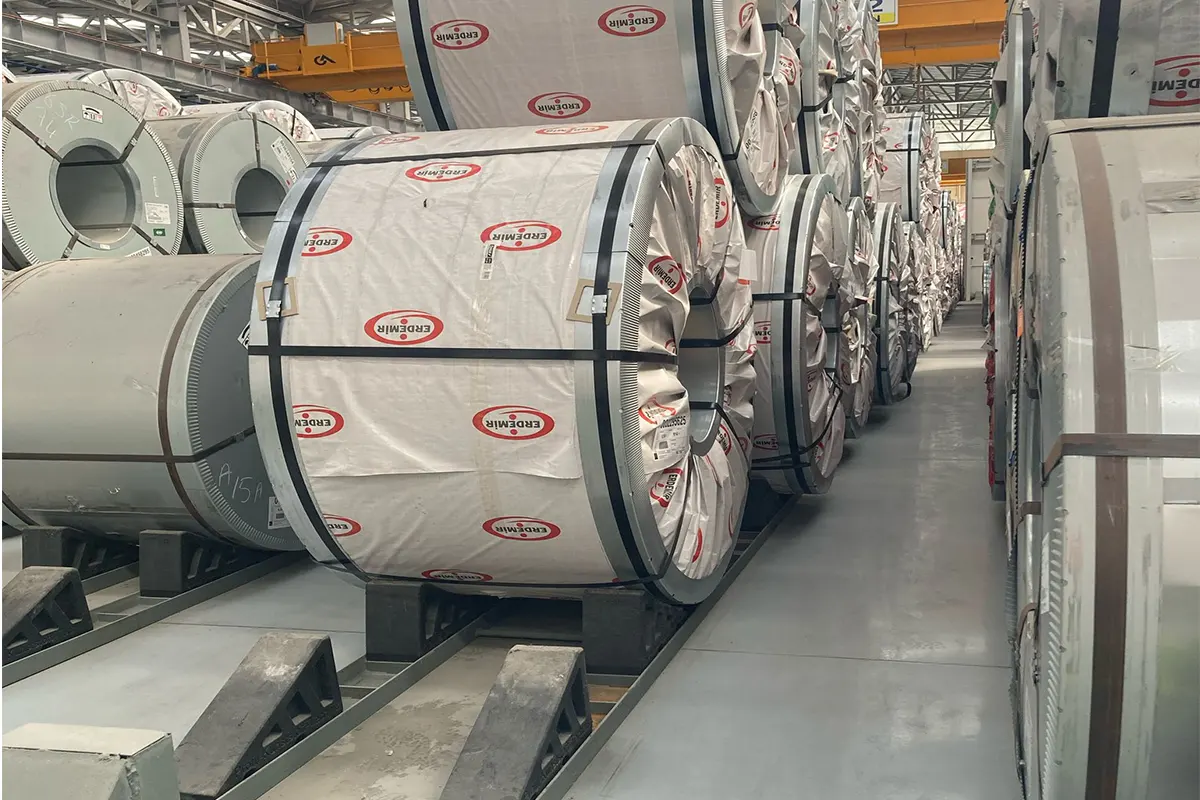
Coil Skids in Modern Industrial Operations (2026 Perspective)
In 2026, modern industrial operations demand faster, safer, and more efficient coil handling solutions. Coil skids support these expectations by enabling:
- higher safety expectations
- faster installation timelines
- compatibility with automated handling systems
- reduced downtime
Advantages of Using Coil Skids
Enhanced Transportation Efficiency
One of the biggest challenges in coil handling is ensuring safe and efficient transportation. Coil skids provide a secure base for moving coils, minimizing the risk of shifting or tipping during transit. This stability helps prevent material damage and ensures a smoother delivery process.
Increased Workplace Safety
Handling large, heavy coils manually or with unstable equipment poses a safety hazard for workers. Coil skids significantly reduce these risks by offering a stable and structured means of handling. They minimize direct contact with heavy coils, lowering the chances of workplace injuries and improving overall safety standards.
Reduced Material Damage
Metal coils are valuable assets in manufacturing and require careful handling to avoid damage. Coil skids protect the coils from unnecessary contact with hard surfaces, preventing scratches, dents, and deformation. This ensures that the quality of materials remains intact throughout the supply chain.
Labor and Cost Savings
Traditional coil handling methods often require multiple workers and extensive manual labor. Coil skids streamline the process, reducing the need for excessive manpower. This not only lowers labor costs but also enhances operational efficiency by allowing faster loading and unloading of coils.
Seamless Assembly Process
During assembly, coils need to be positioned precisely for processing. Coil skids facilitate this by keeping coils aligned and accessible, reducing setup time in production lines. This leads to improved productivity and smoother workflows in manufacturing plants.
Application Areas and Industrial Impact of Coil Skids
Coil skids are widely used across several industries where metal coils are integral to production and supply chains. Some key sectors benefiting from coil skids include:
- Steel and Metal Manufacturing: Ensuring proper coil handling in processing and storage facilities.
- Automotive Industry: Used in the production of car bodies, frames, and other components.
- Construction Sector: Essential for transporting and assembling metal sheets, pipes, and structural materials.
- Logistics and Warehousing: Improving efficiency in the storage and distribution of metal coils.
By enhancing handling efficiency in these industries, coil skids contribute to overall productivity, safety, and cost-effectiveness.
Key Considerations When Choosing Coil Skids
When selecting coil skids for industrial use, businesses must consider several factors to ensure optimal performance:
- Material Strength: Skids should be made from durable materials capable of withstanding heavy loads.
- Load Capacity: The skid must support the specific weight of the coils being handled.
- Size and Design: Customizable options should be considered based on coil dimensions and handling requirements.
- Safety Features: Anti-slip surfaces and secure locking mechanisms improve safety.
- Compatibility with Handling Equipment: Ensuring that coil skids align with forklifts, cranes, and transport systems enhances operational efficiency.
Improving Transportation and Assembly with Coil Skids
The efficiency of coil skids has been proven in numerous real-world applications. Many industries have transitioned from conventional handling methods to using coil skids, resulting in noticeable improvements in safety, speed, and cost reduction.
Case Study: Automotive Manufacturing
An automotive parts manufacturer implemented coil skids to transport steel coils within its production facility. Before the adoption of skids, frequent coil movement led to material damage and delays in assembly. By integrating coil skids, the company reduced handling time by 30%, minimized product defects, and improved workplace safety. The investment in coil skids proved to be a cost-effective solution that significantly enhanced operational efficiency.
Conclusion and Future Prospects
Coil skids have revolutionized the way metal coils are handled in industrial environments. By offering secure transportation, reducing workplace hazards, and improving assembly processes, these tools have become indispensable for various industries. As technology advances, the next generation of coil skids is expected to incorporate smart tracking systems, automated handling features, and improved durability to further enhance efficiency.
Companies looking to optimize their logistics and production processes should consider integrating coil skids into their operations. With ongoing innovations and increased adoption, coil skids will continue to shape the future of industrial material handling, making transportation and assembly safer, faster, and more cost-effective.
Conclusion and Future Prospects
The Growing Importance of Coil Skids
As industries continue to evolve, the demand for efficient, safe, and cost-effective handling solutions increases. Coil skids have become indispensable in sectors like steel and metal manufacturing, automotive, and construction, offering a range of advantages, from reducing material damage to improving workplace safety. As companies aim to optimize their operations, coil skids are positioned as a core component in transportation and assembly processes. Their ability to enhance both logistical efficiency and operational safety makes them increasingly important for businesses aiming to stay competitive in a fast-paced industry landscape.
Future Trends and Innovations in Coil Skids Technology
Looking beyond 2026, coil skid technology is evolving toward smarter, more automated, and safety-focused solutions, driven by increasing efficiency demands, advanced material engineering, and integrated digital monitoring systems.
Smart coil skids equipped with sensors for real-time monitoring and tracking are also on the horizon. These advancements will provide businesses with valuable data to further optimize their supply chain and improve operational efficiency.
Moreover, automation is expected to play a significant role in the development of coil skids. Automated handling systems that integrate seamlessly with coil skids will enhance loading, unloading, and transportation processes, reducing human labor and increasing precision. The trend toward sustainability also means that coil skid manufacturers are likely to focus on eco-friendly materials and energy-efficient production methods.
GLT Muhendislik's Role in Advancing Coil Skid Technology
At the forefront of this innovation is GLT Muhendislik, a leader in the design and manufacturing of coil skids. With a strong focus on high-quality engineering and cutting-edge technology, GLT Muhendislik is continually pushing the boundaries to create more durable, efficient, and safe coil skids. The company’s commitment to continuous improvement ensures that it remains a trusted partner for industries looking to optimize their transportation and assembly processes.
GLT Muhendislik’s expertise in providing tailored solutions for various industries has enabled businesses to benefit from customized coil skids that meet their specific needs. By integrating new technologies, such as real-time tracking and automated systems, GLT Muhendislik is paving the way for the future of coil handling, ensuring that industries can achieve greater productivity, safety, and cost-efficiency.
Optimize Your Coil Handling Today!
Improve your transportation and assembly processes with cutting-edge Coil Skids from GLT Engineering.