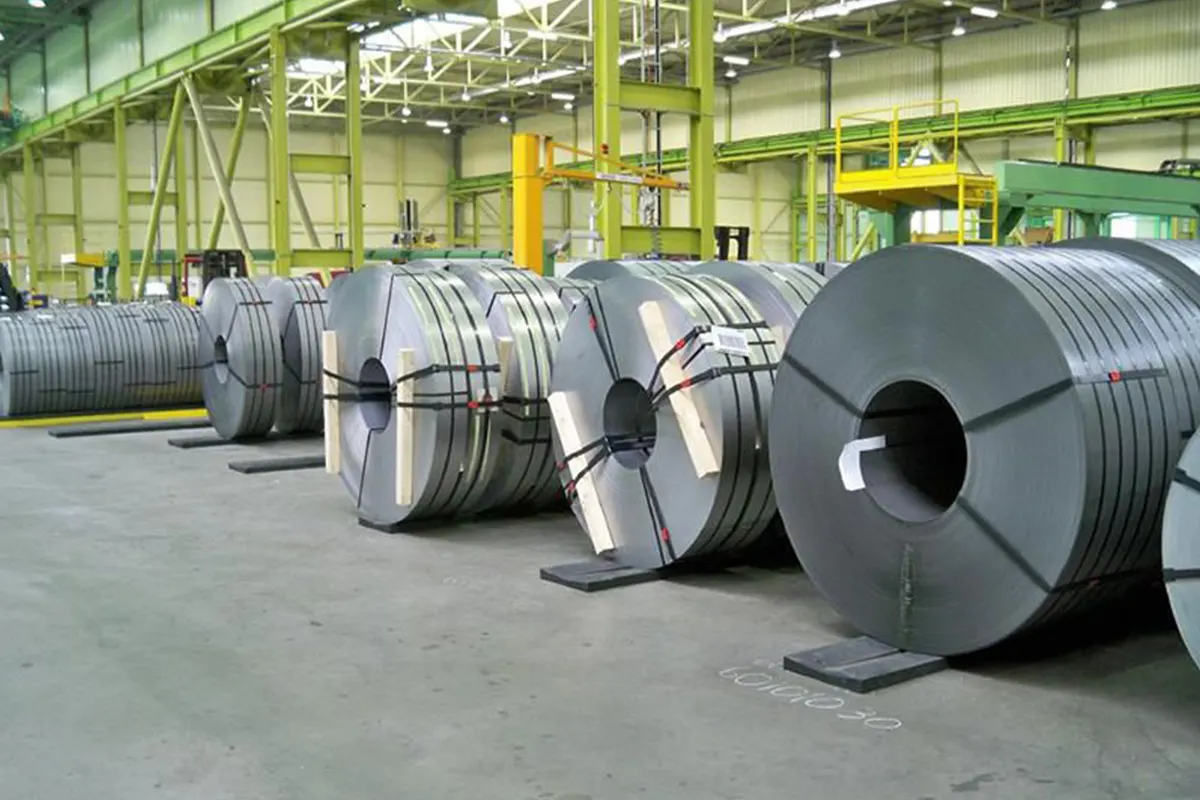
Improper coil storage isn’t just inefficient—it can be dangerous. Whether you’re managing heavy-duty steel coils or lighter aluminum rolls, overlooking basic safety protocols can lead to damaged products, equipment wear, or worse—injuries.
If you’re reevaluating your storage practices, you may want to explore GLT Muhendislik’s streamlined coil storage designs, particularly their ground-level single-level solutions, known for their built-in safety measures.
1. Stacking Coils Without Stabilization
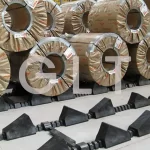
Many facilities make the mistake of stacking coils without secure base supports or Rollstops. This practice creates tipping hazards and unnecessary pressure on the lower coils. Always use storage blocks or skids specifically designed for the coil’s size and weight.
2. Using One-Size-Fits-All Racks
Not all coils are created equal. Using generic or adjustable racks for all types of coils can reduce lifespan and increase risk. Modular storage systems that match your specific coil dimensions offer much higher safety margins.
3. Overlooking Floor Conditions
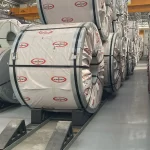
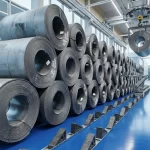
Coils stored directly on uneven floors can shift or roll unexpectedly. Systems like GLT’s Single-Level Coil Storage ensure that every coil is cradled securely—no matter the surface condition.
4. Ignoring Operator Workflow
If your layout causes forklift drivers or workers to maneuver around tight spaces, you’re risking both safety and efficiency. Plan your storage area to align with traffic patterns and handling equipment.
Final Note
Reducing risk starts with the right storage system. Before another workday begins, take a moment to review your current layout and make sure your coils are stored in a way that’s as safe as it is smart. If you’re considering an upgrade, take a look at GLT’s robust, single-level solutions designed with safety in mind.