Comparing Coil Saddle and Coil Skid Systems for Modern Industrial Coil Storage
Selecting the right coil storage method is a critical decision for industrial facilities handling heavy steel, aluminum, or stainless steel coils. Two commonly used solutions—coil saddle systems and coil skids—may appear similar at first glance, but their performance, safety level, and long-term impact differ significantly.
By 2026, increasing coil weights, higher safety expectations, and automation requirements have made this comparison more relevant than ever.
What Is a Coil Saddle?
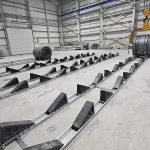
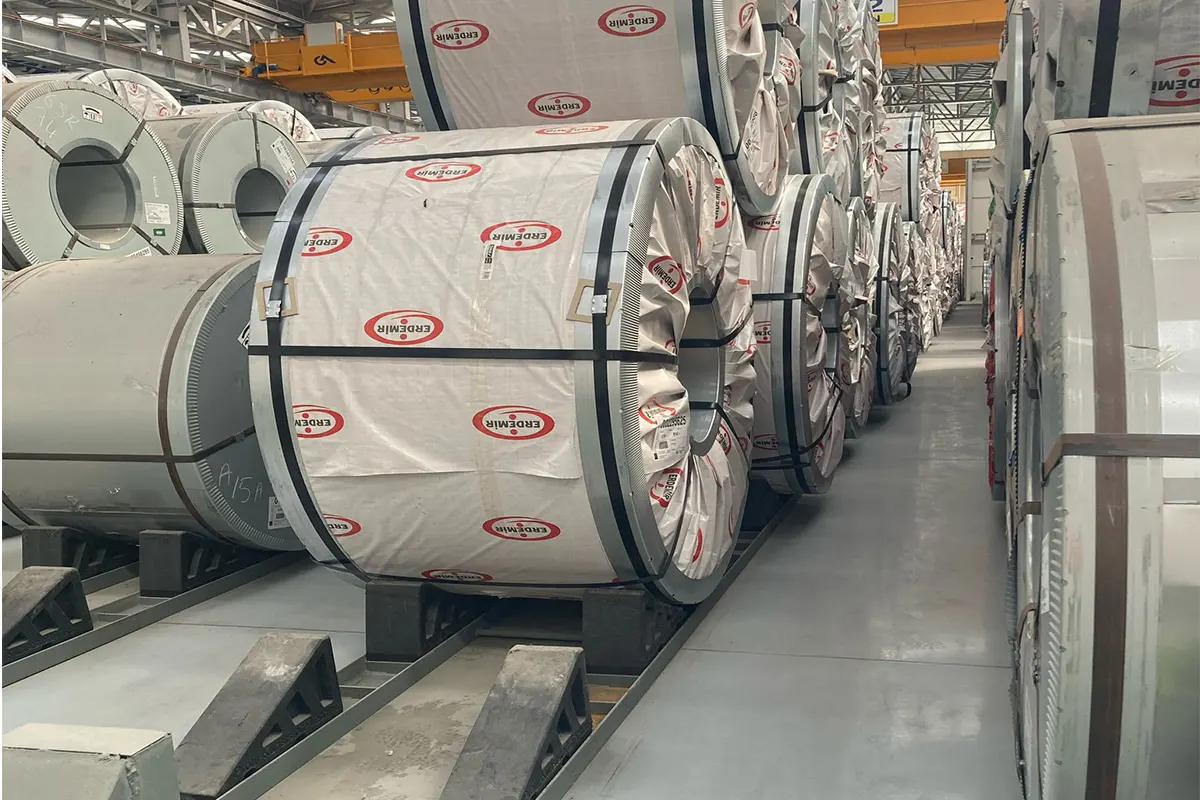
A coil saddle is an engineered steel support designed to securely cradle cylindrical metal coils in a fixed and stable position. It is specifically shaped to match the coil’s geometry, providing controlled contact points, uniform load distribution, and long-term structural stability.
Coil saddle systems are typically used in permanent industrial coil storage layouts, where safety, surface protection, and compatibility with handling equipment are essential.
What Is a Coil Skid?
A coil skid is a simpler support structure, often used for temporary coil positioning, transportation, or low-intensity storage applications. Skids may be made of steel or wood and generally offer limited geometric optimization for coil support.
While coil skids can be practical in short-term scenarios, they are not designed to meet modern industrial storage demands.
Coil Saddle vs Coil Skid: Key Differences
1. Safety and Stability
Coil saddle systems provide superior anti-roll stability by holding the coil in a defined seating position. This significantly reduces the risk of unintended movement during storage or handling.
Coil skids, in contrast, offer limited roll prevention and rely heavily on external restraints, increasing the potential for unsafe conditions.
2. Load Capacity and Structural Performance
Engineered coil saddle systems are designed to support heavy-duty loads ranging from several tons to over 40 tons per coil, with safety factors applied according to industrial standards.
Coil skids typically support lower loads and may deform or wear unevenly under continuous heavy-duty use.
3. Coil Surface Protection
Surface damage is a major cost factor in coil storage. Coil saddles minimize this risk through optimized geometry and controlled contact areas, with optional protective pads or coatings.
Coil skids often create uneven pressure points, increasing the likelihood of scratches, dents, or coating damage—especially for sensitive materials.
4. Compatibility with Modern Handling Systems
By 2026, many facilities rely on overhead cranes, C-hooks, and automated handling equipment. Coil saddle systems are designed to integrate seamlessly with these technologies, ensuring consistent coil positioning and repeatable handling.
Coil skids offer limited compatibility with automated systems and are less suitable for unmanned or high-efficiency operations.
5. Long-Term Cost Efficiency
Although coil skids may appear cost-effective initially, their limited durability and higher risk profile often result in greater long-term costs due to coil damage, safety incidents, and operational inefficiencies.
Engineered coil saddle systems deliver a lower total cost of ownership (TCO) by improving safety, reducing losses, and extending service life.
Which Solution Is Safer in 2026?
For modern industrial environments, the answer is clear. Coil saddle systems outperform coil skids in safety, load stability, surface protection, and long-term operational reliability.
As safety regulations tighten and automation becomes standard, coil skids are increasingly viewed as outdated solutions, while coil saddle systems represent the industry benchmark.
Conclusion: Choosing the Right Coil Storage Solution
The choice between a coil saddle and a coil skid directly impacts workplace safety, product quality, and operational efficiency. For facilities aiming to meet 2026 standards and beyond, engineered coil saddle systems provide a safer and more sustainable foundation for coil storage.
👉 To explore a system-level approach built around engineered coil saddle technology, visit
Coil Saddle Solutions for Safe and Efficient Coil Storage Systems