Home » Industrial Coil Storage » Coil Saddle Solutions for Safe and Efficient Coil Storage Systems

Coil Saddle Solutions for Safe and Efficient Coil Storage Systems

Engineered Coil Saddle Systems for Safer, Smarter Coil Storage in 2026

The Essentials of Coil Saddle Systems: A Quick Technical Overview

As industrial standards evolve toward higher safety and automation in 2026, coil saddle technology has become the cornerstone of metal logistics. This summary provides a rapid breakdown of why engineered saddles are indispensable for modern storage:

  • Primary Function: A coil saddle is a precision-engineered support (typically high-strength steel or heavy-duty polymer) designed to cradle cylindrical metal coils, ensuring equal weight distribution across the floor.
  • Safety Performance: By matching the coil’s circular geometry, these systems prevent accidental rolling, tipping, or displacement during crane and forklift operations, meeting strict international safety norms.
  • Surface Protection: Unlike wooden chocks or flat floors, specialized saddles eliminate localized pressure points, preventing expensive “flat spots” or surface damage on sensitive materials like aluminum or galvanized steel.
  • Space & Weight Capacity: Engineered for extreme loads—ranging from 5 to 40+ tons—coil saddles allow for high-density stacking, maximizing warehouse floor utility by up to 30-40%.
  • Compatibility: Modern designs are fully optimized for automated warehouses, allowing seamless integration with C-hooks, overhead cranes, and automated guided vehicles (AGVs).

The Strategic Role of Coil Saddle Systems in Modern Coil Storage

As global steel production, aluminum processing, and metal service centers continue to evolve toward higher efficiency and safety standards, coil storage technologies are undergoing a major transformation. By 2026, manufacturers are no longer evaluating storage equipment as passive structures, but as critical safety and cost-control components of the entire production and logistics chain.

At the center of this transformation stands the coil saddle — a fundamental yet highly engineered solution designed to support, protect, and stabilize heavy metal coils within advanced coil storage systems.

GLT Engineering’s Safe Coil Storage System integrates coil saddle technology to deliver superior load stability, surface protection, and long-term operational reliability.

What Is a Coil Saddle?

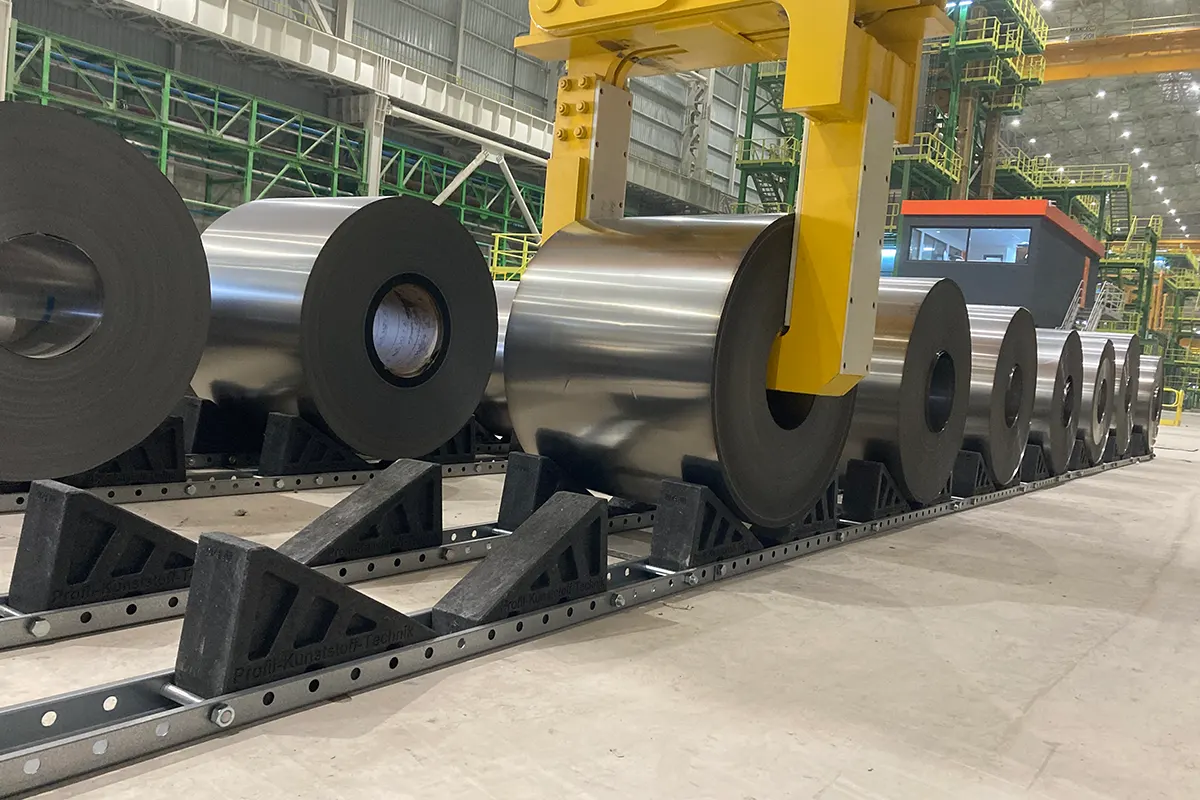
A coil saddle is an engineered steel support designed to securely hold cylindrical metal coils during storage and handling.

It stabilizes the coil by matching its circular geometry, distributing weight evenly, and preventing rolling, slipping, or surface damage. Coil saddles are essential components of industrial coil storage systems, especially where heavy steel, aluminum, or stainless steel coils are stored under strict safety and quality requirements.


      • Uniform load distribution

      • Controlled contact points

      • Prevention of rolling, slipping, or deformation

    In industrial environments where individual coils can weigh several tons, the role of a properly designed coil saddle becomes essential—not optional.
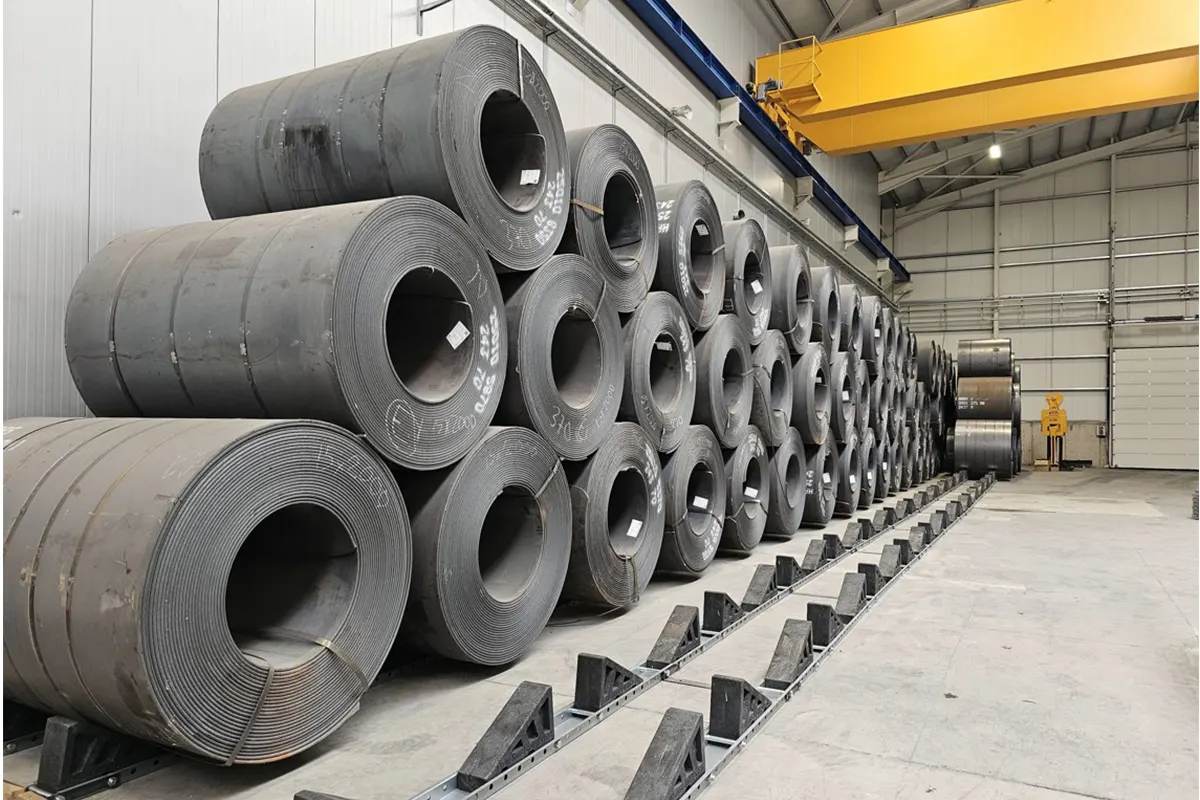
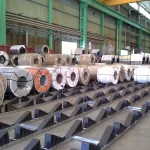
    Industrial coil saddle system designed for heavy-duty steel coil storage and handling
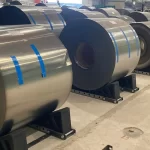
    Heavy-duty coil saddle solution for industrial coil storage applications

    Why Coil Saddle Design Matters More in 2026

    By 2026, coil storage requirements are shaped by four dominant industrial trends:


        1. Heavier and wider coils

        1. Increased automation and unmanned handling

        1. Stricter occupational safety regulations

        1. Higher expectations for surface quality preservation

      Traditional storage methods fail to meet these demands. Modern coil saddle solutions, such as those integrated into GLT Engineering’s systems, are engineered to meet future-proof standards.

      Technical Advantages of Coil Saddle Systems

      1. Load Capacity and Structural Integrity

      GLT Engineering designs coil saddles to safely support high-capacity loads, commonly ranging from:


          • 5 tons to 40+ tons per coil, depending on application

          • Static and dynamic load safety factors compliant with industrial standards

        High-strength structural steel, reinforced ribs, and precision welding ensure long service life even under continuous heavy-duty operation.

        2. Coil Surface Protection

        Surface damage is one of the most expensive hidden costs in coil storage. Coil saddles reduce this risk by:


            • Preventing metal-to-floor contact

            • Using optimized saddle geometry to avoid pressure points

            • Allowing optional protective pads or coatings

          This is particularly critical for galvanized, pre-painted, aluminum, and stainless steel coils, where surface defects translate directly into financial losses.

          3. Stability and Safety Performance

          A well-designed coil saddle significantly reduces:


              • Roll-over risks

              • Accidental displacement during crane or forklift operations

              • Human exposure to unstable loads

            When integrated into a Safe Coil Storage System, coil saddles contribute directly to accident prevention and compliance with international safety norms.

            Integration with GLT Engineering’s Safe Coil Storage System

            GLT Engineering does not treat the coil saddle as a standalone product. Instead, it is engineered as an integral component of a complete coil storage solution, which may include:


                • Single-level or multi-level storage layouts

                • Fixed or modular coil saddle arrangements

                • Customized spacing for coil diameter and width

                • Compatibility with overhead cranes, C-hooks, and automated handling systems

              This system-level approach ensures optimal performance, scalability, and future expansion readiness.

              👉 Related system overview:
              Safe Coil Storage System – GLT Engineering

              Customization Capabilities

              Every production facility handles coils differently. GLT Engineering offers project-specific coil saddle designs based on:


                  • Coil outer diameter (OD)

                  • Coil width

                  • Maximum coil weight

                  • Storage density requirements

                  • Floor conditions and layout constraints

                This customization ensures that each coil saddle delivers maximum safety with minimum wasted space.

                Cost Efficiency and Pricing Strategy

                While coil saddle pricing cannot be standardized or publicly listed, it is important to understand how cost efficiency is evaluated:


                    • Pricing is determined by load capacity, material grade, and customization level

                    • Proper coil saddle systems significantly reduce long-term costs by preventing coil damage, workplace accidents, and unplanned downtime

                    • Compared to repair costs, rejected coils, or safety incidents, a professionally engineered coil saddle represents a high-return investment, not an expense

                  In 2026, smart manufacturers prioritize total cost of ownership (TCO) over initial purchase price—making engineered coil saddle systems the economically superior choice.

                  Coil Saddle Systems as a Competitive Advantage

                  Facilities using advanced coil saddle-based storage systems benefit from:

                  ✔ Improved warehouse organization
                  ✔ Faster and safer coil handling
                  ✔ Lower insurance and risk exposure
                  ✔ Better product quality consistency
                  ✔ Enhanced compliance with international safety standards

                  These advantages directly impact operational efficiency and brand reputation.

                  Conclusion: Coil Saddle as the Foundation of Safe Coil Storage in 2026

                  As the metal industry advances toward smarter, safer, and more automated operations, the coil saddle has become a cornerstone of modern coil storage design.

                  GLT Engineering’s Safe Coil Storage System, built around robust and precisely engineered coil saddle solutions, delivers the reliability, safety, and cost efficiency demanded by industrial facilities in 2026 and beyond.

                  For companies seeking long-term performance, reduced risk, and scalable storage infrastructure, investing in engineered coil saddle systems is no longer optional—it is strategic.
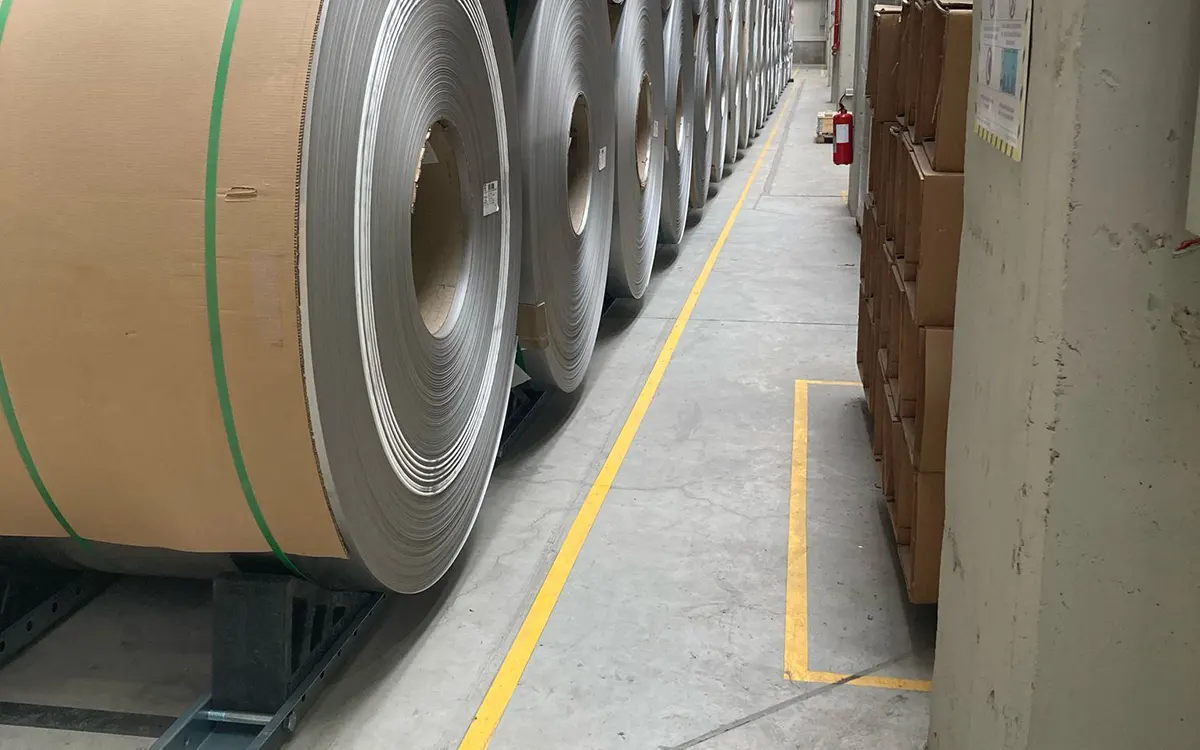
                  industrial coil storage systems by GLT Engineering

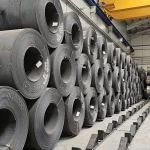
                  Structural steel coil saddle designed for high load capacity and long-term industrial use
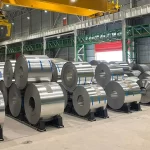
                  High-strength steel coil saddle engineered for long service life

                  Frequently Asked Questions About Coil Saddle Systems

                  A coil saddle is used to safely support and stabilize cylindrical metal coils during storage and handling. It cradles the coil in a controlled position, preventing rolling, slipping, or deformation while ensuring uniform load distribution. Coil saddles are essential components of industrial coil storage systems where heavy steel, aluminum, or stainless steel coils must be stored securely.


                  The load capacity of a coil saddle system depends on its structural design, material grade, and application requirements. Industrial coil saddles engineered by GLT Engineering typically support loads ranging from 5 tons up to 40+ tons per coil, with safety factors applied according to international industrial standards. Customized designs can accommodate even higher loads for specialized applications.

                  While both are used in coil storage, a coil saddle is a fixed or modular steel structure engineered to match the coil’s geometry and provide long-term stability. A coil skid, on the other hand, is usually a simpler support used for short-term positioning or transportation. Coil saddle systems offer superior load distribution, surface protection, and safety performance compared to coil skids, especially in high-capacity industrial environments.

                  Yes. Modern industrial coil saddle systems are fully compatible with automated and semi-automated coil handling equipment, including overhead cranes, C-hooks, coil grabs, and robotic handling systems. By 2026, coil saddle designs increasingly support unmanned operations, precise positioning, and integration with smart warehouse layouts.

                  👉 industrial coil handling solutions

                  Absolutely. Coil saddles can be fully customized based on coil outer diameter, width, weight, and storage layout. GLT Engineering designs project-specific coil saddle solutions to maximize storage density while maintaining safety and accessibility. Customization ensures optimal performance for each production facility.

                  Professionally engineered coil saddle systems are designed to comply with international occupational safety and industrial equipment standards. Proper load calculations, structural integrity, and risk mitigation features make coil saddles a critical element of safe coil storage systems, helping facilities reduce accidents and meet regulatory requirements.

                  Coil Saddle vs Other Coil Storage Methods

                  Coil Saddle vs Coil Skid

                  Although both solutions are used in coil storage, their performance and purpose differ significantly.

                  A coil saddle is an engineered structural component designed for long-term, high-capacity coil storage. It provides precise geometry, controlled contact points, and superior load distribution. Coil saddle systems are ideal for permanent storage layouts, automated handling environments, and facilities where safety and surface protection are critical.

                  A coil skid, by contrast, is typically used for temporary positioning or transportation. Skids offer limited load optimization and surface protection and are not suitable for high-density or multi-level coil storage systems.

                  In modern industrial environments, coil saddle systems provide higher safety, longer service life, and better operational control than coil skids.

                  Coil Saddle vs Flat Floor Coil Storage

                  Flat floor storage is one of the most basic coil storage methods but presents several risks.

                  Storing coils directly on the floor increases the likelihood of rolling, surface damage, and unstable handling conditions. Load is concentrated at uncontrolled contact points, which can lead to deformation and safety hazards.

                  A coil saddle system, on the other hand, secures the coil in a defined position, eliminates roll-over risks, and protects sensitive coil surfaces. For facilities aiming to meet modern safety and quality standards in 2026, flat floor storage is no longer considered an acceptable solution.

                  Coil Saddle vs Wooden Supports

                  Wooden supports may appear cost-effective initially, but they lack structural consistency, long-term durability, and predictable load performance. Moisture absorption, deformation, and uneven contact surfaces make wooden supports unreliable for heavy industrial coil storage.

                  Engineered steel coil saddles offer consistent load capacity, repeatable geometry, and compatibility with automated handling systems—making them the preferred choice for professional coil storage applications.

                  Why Coil Saddle Systems Are the Industry Standard in 2026

                  By 2026, industrial facilities prioritize safety, automation compatibility, and total cost of ownership. Coil saddle systems outperform alternative methods by delivering:

                  • Predictable load behavior
                  • Reduced surface damage
                  • Improved handling safety
                  • Compliance with modern industrial standards

                  As a result, coil saddle-based storage systems have become the benchmark for safe and efficient coil storage.

                  PDF -The Ultimate Guide to Coil Storage Blocks

                  PDF - Ultimate Guide to Safe Coil Storage Systems

                  News