Engineered Coil Saddle Design Principles for Safe and Long-Term Coil Storage
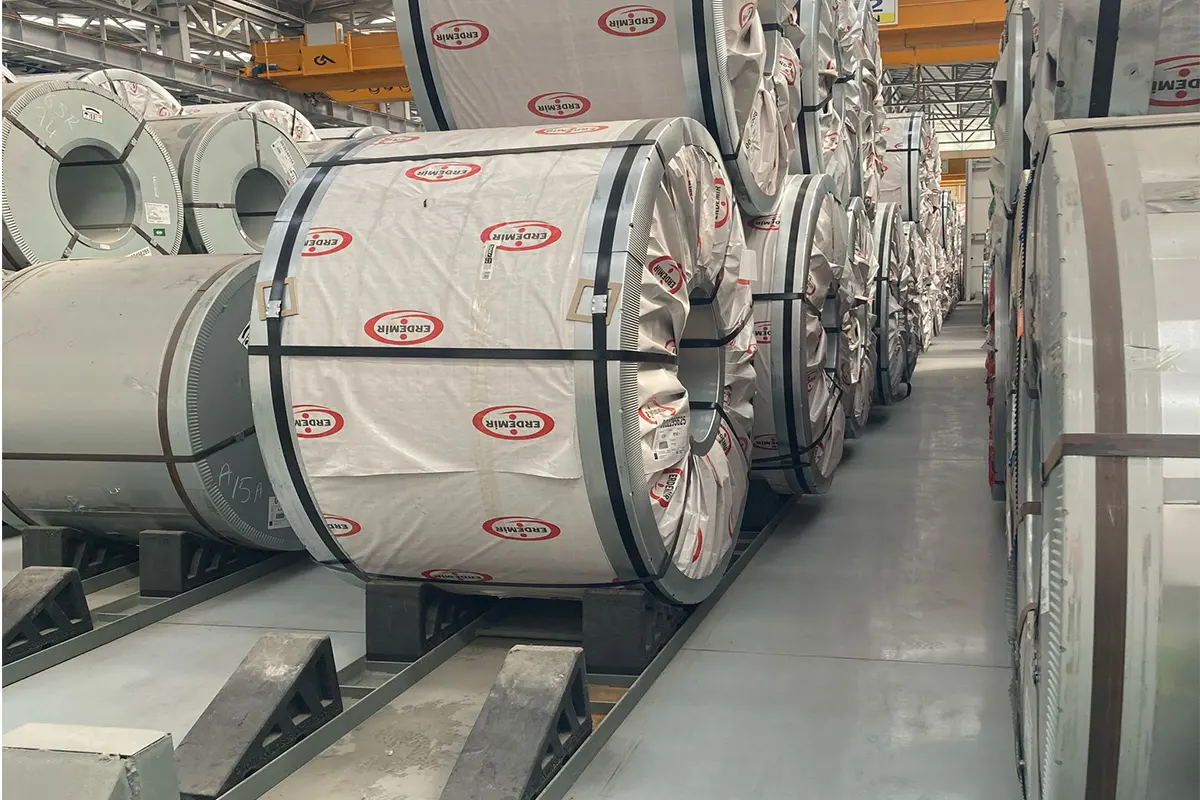
In modern industrial environments, the performance of a coil storage system depends not only on layout or handling equipment, but fundamentally on coil saddle design. For heavy-duty industrial applications, coil saddle systems must be engineered with precise structural, geometric, and safety considerations to ensure reliable long-term operation.
As coil weights increase and storage density becomes a priority, poorly designed coil saddles introduce risks ranging from surface damage to catastrophic load instability. By 2026, professional facilities no longer accept generic solutions—engineering-driven coil saddle design has become the standard.
Key Design Criteria for Industrial Coil Saddle Systems
1. Load Capacity and Structural Calculations
The most critical factor in coil saddle design is load-bearing capacity. Industrial coil saddles must be engineered to support coils ranging from several tons to over 40 tons, depending on application.
Design calculations must account for:
- Static and dynamic load conditions
- Safety factors based on operational risk
- Load distribution across saddle contact points
High-strength structural steel, reinforced ribs, and precision welding are essential to maintain structural integrity under continuous heavy-duty use.
2. Saddle Geometry and Coil Contact Profile
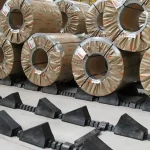
A properly engineered coil saddle must match the cylindrical geometry of the coil it supports. Incorrect saddle angles or flat contact surfaces concentrate stress and increase the risk of deformation.
Optimized coil saddle geometry ensures:
- Even weight distribution
- Controlled and repeatable coil positioning
- Reduced localized pressure on sensitive coil surfaces
This is particularly important for coated, galvanized, or stainless steel coils.
3. Stability and Anti-Roll Safety Design
One of the primary safety functions of a coil saddle is preventing unintended coil movement. Anti-roll stability is achieved through precise saddle angles, defined coil seating zones, and controlled spacing between saddles.
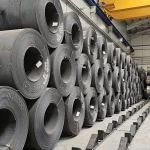
In high-capacity storage environments, stable coil positioning significantly reduces handling risks during crane or forklift operations.
4. Compatibility with Handling Equipment
Modern coil saddle systems must integrate seamlessly with overhead cranes, C-hooks, coil grabs, and automated handling solutions.
Design considerations include:
- Clearance for lifting tools
- Consistent coil centerline positioning
- Repeatable alignment for automated systems
By 2026, coil saddle designs increasingly support unmanned and semi-automated warehouse operations.
5. Durability and Long-Term Performance
Heavy-duty coil saddle systems are long-term infrastructure investments. Design life must account for repeated loading cycles, environmental conditions, and operational wear.
Surface treatments, corrosion protection, and weld quality directly influence service life and total cost of ownership.
Why Engineered Coil Saddle Design Matters
Facilities that invest in engineered coil saddle systems benefit from:
- Improved operational safety
- Reduced coil damage and rejection rates
- Higher storage density without increased risk
- Predictable long-term performance
These advantages make professional coil saddle design a strategic component of modern industrial coil storage.
For a system-level approach that integrates design, safety, and operational efficiency, engineered coil saddle systems should always be evaluated as part of a complete storage solution.
👉 Learn more about fully integrated engineered coil saddle systems within GLT Engineering’s
Coil Saddle Solutions for Safe and Efficient Coil Storage Systems