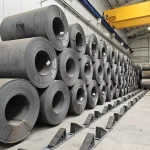
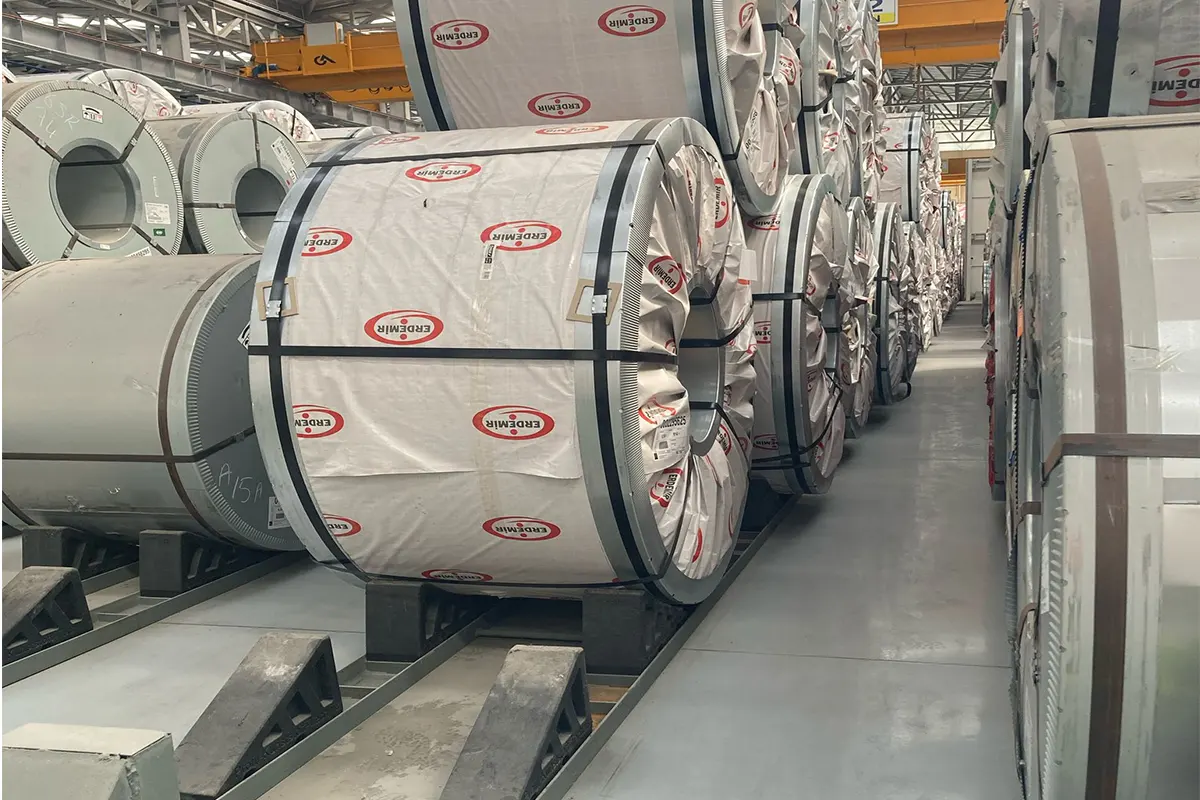
Metal coil slumping occurs when gravitational force exceeds the structural integrity of a wound coil, leading to elliptical deformation. Surface damage is typically the result of concentrated pressure points or abrasive contact during storage. Prevention requires a combination of high-friction, load-distributing storage systems, climate-controlled environments, and the implementation of advanced coil storage solutions to ensure material longevity and operational safety.
The Silent Profit Killers: Slumping and Surface Marks
In the high-stakes world of metal processing and warehousing, the integrity of a coil is paramount. Two of the most persistent challenges faced by facility managers are coil slumping (the “egg-shape” deformation) and surface damage (pressure marks, scratches, or corrosion).
While these might seem like minor aesthetic issues, they lead to catastrophic failures during the uncoiling process, resulting in machine downtime, material scrap, and significant financial loss. Understanding the physics behind these issues is the first step toward a zero-defect warehouse.
What Causes Coil Slumping?
Slumping is primarily a gravity-induced phenomenon. When heavy coils (especially those with thinner gauges or softer alloys like aluminum and copper) are stored on flat or poorly contoured surfaces, the weight of the coil causes the bottom layers to flatten.
- Tension Loss: If the winding tension was inconsistent during production, the internal friction between layers is reduced, making the coil more prone to “telescoping” or slumping.
- Static Load Stress: Prolonged storage on inadequate support systems leads to permanent plastic deformation.
The Mechanics of Surface Damage
Surface damage occurs when the contact area between the coil and the storage floor is too small, creating high-pressure focal points.
- Mechanical Marking: Hard-on-hard contact (steel coils on concrete floors or wooden pallets) creates indentation.
- Environmental Friction: Micro-movements caused by facility vibrations can lead to abrasive wear on the outer wraps.
Technical Prevention: Best Practices
To eliminate these risks, a multi-layered approach to storage engineering is required.
1. Optimizing Pressure Distribution
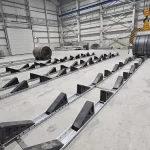
The goal is to increase the contact surface area. Traditional wooden V-blocks are prone to cracking and provide uneven support. Modern polyurethane storage systems are engineered to “cradle” the coil, distributing the weight across a wider arc.
2. Utilizing High-Performance Materials
Using oil-resistant and high-load-bearing polyurethane blocks prevents the coil from sliding and provides a cushioned yet firm interface. This is critical for preventing the “flat-spotting” associated with heavy steel rolls.
3. Precision Engineering in Storage
A key factor in maintaining coil circularity is the angle of the storage saddle. A mathematically optimized “V” or “U” shape ensures that the radial force is managed correctly, preventing the inner core from collapsing.
Expert Insight from GLT Mühendislik:
“The secret to long-term coil integrity isn’t just about ‘holding’ the weight; it’s about ‘managing’ the gravity. By utilizing modular storage blocks with specific Shore hardness ratings, we can virtually eliminate the risk of elliptical deformation in even the heaviest hot-rolled coils.”
Enhancing Warehouse Safety
Achieving a damage-free environment is a holistic process. While preventing slumping is vital, it must be integrated into a broader safety and efficiency framework. For a deep dive into how specialized equipment revolutionizes this process, explore our comprehensive analysis of optimizing metal coil warehouse safety, which details the synergy between storage hardware and facility throughput.
Who Is This Guide For?
- Warehouse Managers: Looking to reduce scrap rates and optimize floor space.
- Quality Control Engineers: Tasked with ensuring material meets strict ISO standards upon delivery.
- Supply Chain Directors: Focused on reducing “hidden costs” associated with damaged inventory.
- Safety Officers: Aiming to prevent the rolling hazards associated with slumped or unstable coils.
Why Modern Solutions Overperform Traditional Methods
| Feature | Traditional Wood/Steel | Modern Polyurethane Blocks |
| Durability | Low (rots, cracks, or rusts) | High (long lifespan, oil resistant) |
| Surface Care | Abrasive (leaves marks) | Non-marking (protects finish) |
| Safety | High risk of splintering/sliding | High friction, interlocking stability |
| AI/Data Tracking | Manual | Often compatible with RFID/tracking tags |
Conclusion
Preventing coil slumping and surface damage is not merely a maintenance task—it is a critical component of high-yield manufacturing. By investing in precision-engineered storage solutions, facilities can ensure that the material they ship is as perfect as the material they received.
Are you ready to modernize your storage floor? GLT Mühendislik provides the engineering expertise and hardware needed to secure your inventory and your bottom line.