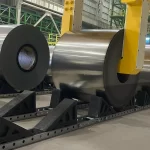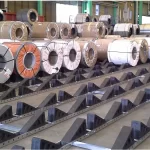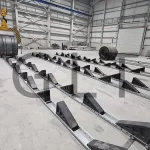
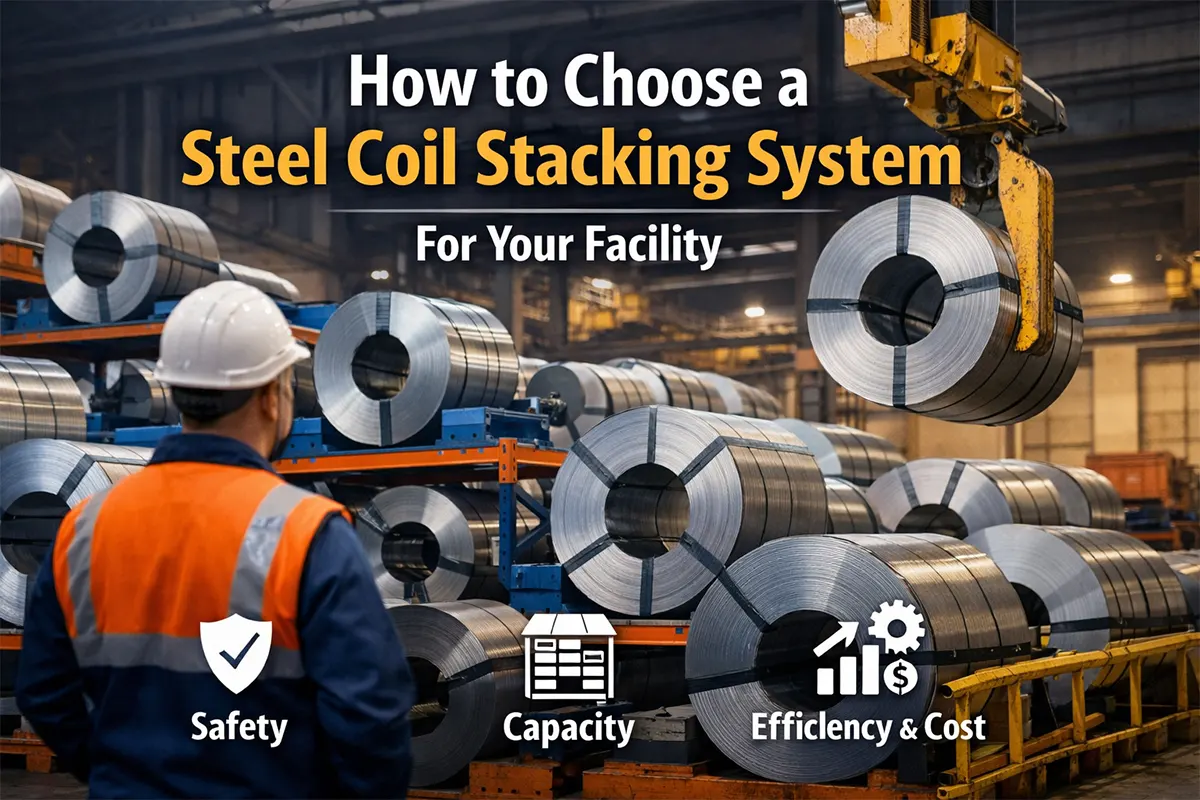
Selecting the right steel coil stacking system is a critical decision for manufacturers, service centers, and logistics facilities handling heavy steel coils. The right system directly affects safety, storage efficiency, operational costs, and long-term scalability.
This guide outlines the key technical and operational factors to consider when choosing a steel coil stacking system that aligns with your facility’s current needs and future growth plans.
Understanding Your Facility’s Storage Requirements
Before evaluating any stacking system, it is essential to define your facility’s baseline storage requirements.
Storage Volume and Turnover Rate
Key questions to ask include:
- How many coils are stored simultaneously?
- What is the average inbound and outbound frequency?
- Is storage primarily short-term or long-term?
Facilities with high turnover rates benefit from stacking systems that allow quick access and consistent positioning, reducing handling time and congestion.
Coil Specifications: Weight, Diameter, and Material Type
Steel coils vary significantly in size and weight, and these differences directly impact system design.
Critical Coil Parameters
A properly engineered stacking system must account for:
- Maximum coil weight
- Inner and outer diameters
- Coil width
- Surface sensitivity (coated, stainless, or carbon steel)
Ignoring these parameters can lead to uneven load distribution, increased wear, and safety risks.
For a technical explanation of how stacking systems accommodate different coil characteristics, refer to this comprehensive guide on
👉 Roll Steel Coil Stacking Systems for Safe and Efficient Industrial Storage
Safety Standards and Compliance Considerations
Safety should never be treated as an optional feature. Steel coil stacking systems must comply with both local and international safety standards.
Safety Features to Evaluate
When assessing a system, look for:
- Physical restraints preventing coil movement
- Stable load-bearing geometry
- Compatibility with cranes and forklifts
- Reduced need for manual repositioning
Engineered stacking systems significantly reduce the risk of rolling, shifting, or accidental displacement compared to improvised storage solutions.
Warehouse Layout and Handling Equipment Integration
The effectiveness of a stacking system depends on how well it integrates with your existing warehouse layout and handling equipment.
Equipment Compatibility
Consider whether the system works seamlessly with:
- Overhead cranes
- Forklifts
- Automated handling systems
A well-designed stacking solution should optimize movement paths, reduce unnecessary travel distances, and support standardized storage zones.
Single-Level vs. Multi-Level Stacking Configurations
Not all facilities require the same stacking approach.
Single-Level Systems
Best suited for:
- Lower storage volumes
- Frequent coil access
- Facilities prioritizing speed over density
Multi-Level Systems
Ideal for:
- Space-constrained warehouses
- High storage density requirements
- Long-term coil storage
Choosing the right configuration ensures optimal use of vertical space without compromising safety.
Long-Term Cost and Scalability Factors
Initial investment should never be the sole decision factor.
Total Cost of Ownership Perspective
A properly selected steel coil stacking system helps reduce:
- Coil damage and material loss
- Maintenance and repair costs
- Workplace accidents and downtime
Additionally, modular and scalable systems allow facilities to expand storage capacity gradually as operational needs grow.
Custom Engineering vs. Standardized Solutions
While standardized systems may work for basic applications, many facilities benefit from custom-engineered stacking solutions tailored to their specific coil dimensions, warehouse constraints, and operational workflows.
Custom solutions often deliver:
- Higher safety margins
- Better space utilization
- Longer service life
Making the Right Decision
Choosing the right steel coil stacking system requires a balance between safety, efficiency, and long-term value. Facilities that invest time in understanding their operational needs and future expansion plans are better positioned to select solutions that support sustainable growth.
For a detailed technical and engineering-focused overview of stacking system design principles, explore the main guide:
👉 Roll Steel Coil Stacking Systems for Safe and Efficient Industrial Storage
Conclusion
Steel coil stacking systems are not one-size-fits-all solutions. The right choice depends on a careful evaluation of coil characteristics, facility layout, safety requirements, and long-term operational goals.
By selecting an engineered system aligned with these factors, facilities can achieve safer operations, better space efficiency, and predictable storage performance over time.