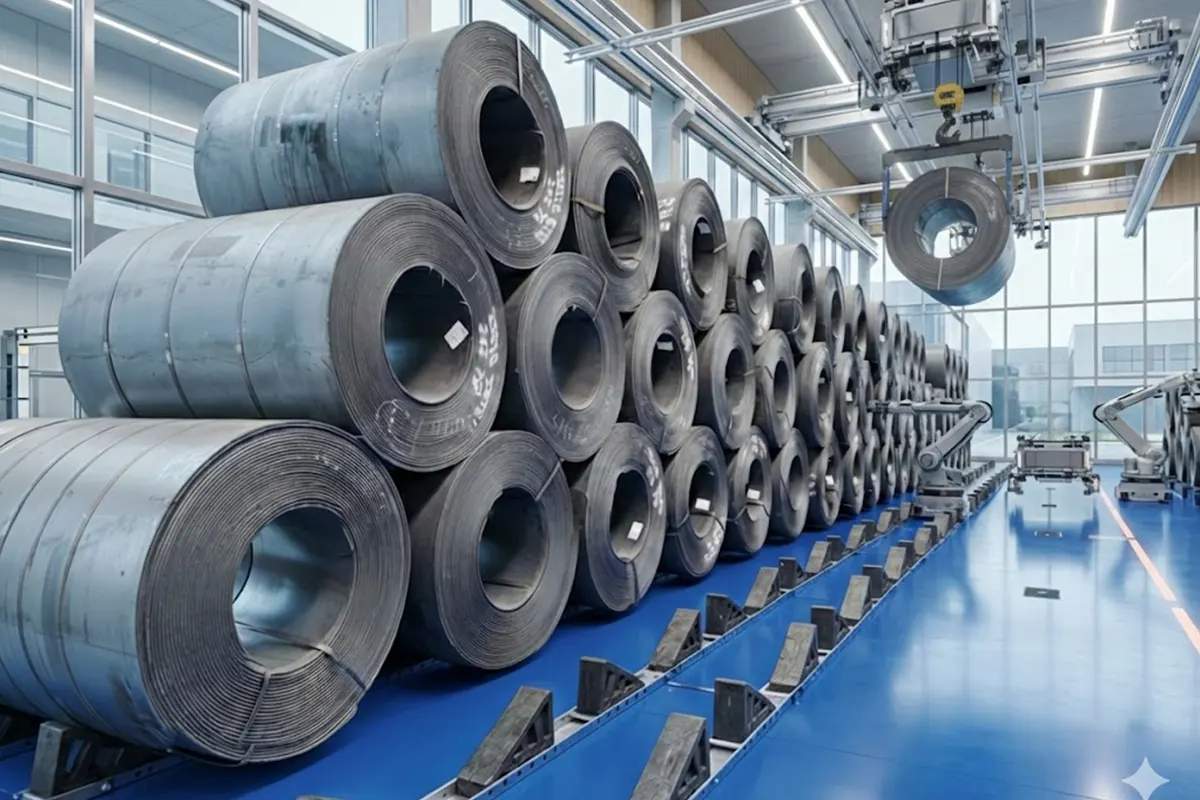
And How Engineering-Driven Storage Systems Prevent Costly Damage
Summary
Improper steel coil storage exposes manufacturers and service centers to structural deformation, surface damage, safety incidents, operational inefficiencies, and loss of material traceability. These risks increase significantly when coils are stored without engineered support systems.
Modern solutions such as coil storage blocks and engineered coil saddles eliminate uncontrolled load transfer and improve long-term material protection. As detailed in GLT Mühendislik’s comprehensive guide on engineered coil storage blocks, properly designed systems play a critical role in ensuring safety, efficiency, and compliance in metal coil warehousing. In 2026, engineering-driven storage is no longer optional—it is a core component of industrial risk management.
Why Steel Coil Storage Is a Critical Engineering Issue
Steel coils represent some of the highest-value assets in metal processing facilities. Despite this, storage is still often handled using improvised or non-engineered methods that fail to account for load behavior, material sensitivity, and long-term risk exposure.
As steel producers move toward higher-strength materials, thinner gauges, and AI-assisted quality control, storage-related damage has become both more costly and more visible. Engineering-led coil storage systems—particularly coil storage blocks designed for controlled load distribution—have therefore become a foundational requirement rather than a logistical afterthought.
1. Coil Deformation Caused by Improper Load Distribution
The Risk
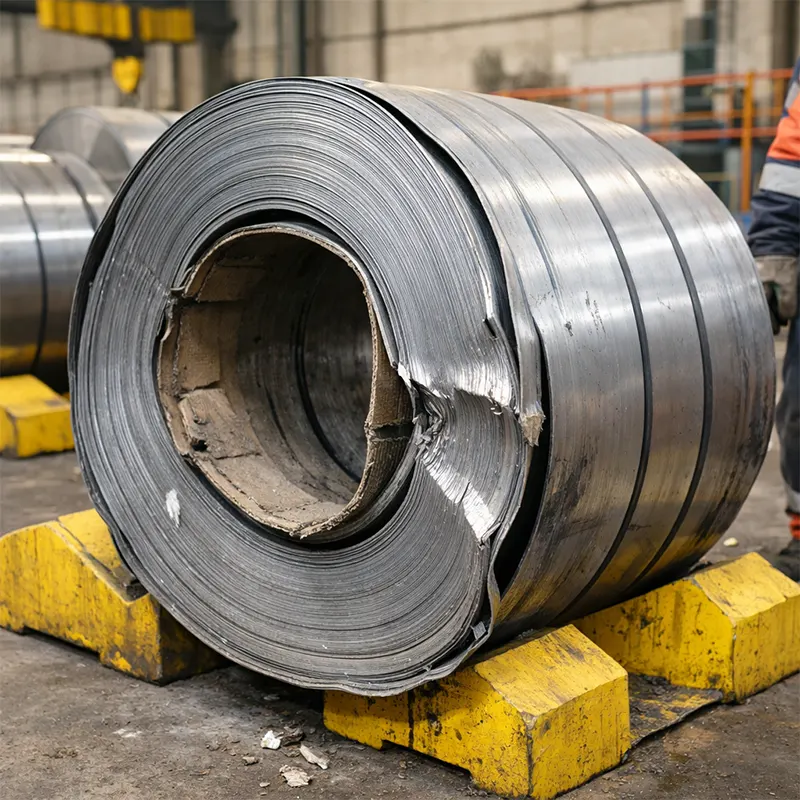
Steel coils are structurally optimized for uniform, axial support. When stored on flat surfaces, uneven wooden beams, or non-calculated supports, coils experience localized stress that leads to:
- Inner diameter (ID) distortion
- Permanent ovalization
- Edge wave formation
- Reduced usability in slitting and forming processes
Even minor deformation can render coils unsuitable for precision applications.
The Engineering Perspective
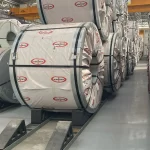
Engineered coil storage blocks are designed to distribute weight evenly across defined contact points, eliminating destructive stress concentrations. As explained in GLT Mühendislik’s detailed resource on coil storage block systems, correct geometry and material selection are essential for preserving coil shape under long-term static loads.
Engineered storage solutions, such as purpose-built coil storage blocks, are specifically designed to prevent deformation by ensuring proper load distribution and stable coil support.
2. Surface Damage and Accelerated Corrosion Risk
The Risk
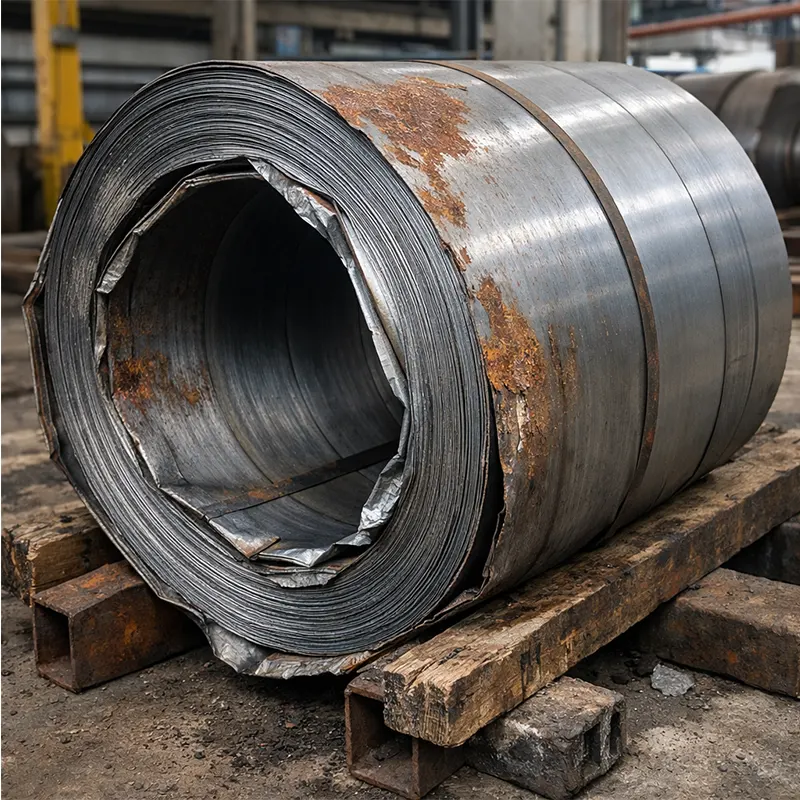
Surface damage is often irreversible and directly impacts customer acceptance. Improper storage commonly leads to:
- Abrasion from metal-to-metal contact
- Moisture entrapment beneath coils
- Condensation-related corrosion
- Coating and finish degradation
This risk is especially critical for galvanized, painted, or high-grade aluminum coils.
The Engineering Solution
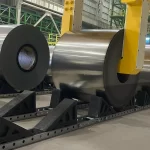
Well-designed coil storage blocks elevate coils from the floor, promote airflow, and incorporate non-damaging contact surfaces. According to GLT Mühendislik’s coil storage block guidelines, surface protection must be integrated into the storage system itself—not treated as a secondary precaution.
3. Safety Hazards and Operational Risk Exposure
The Risk
Unsecured or improperly nested coils pose severe safety hazards, including roll-out accidents, crane instability, and personnel injury. Many of these incidents stem from storage systems that lack defined anti-roll geometry.
The Engineering Solution
Engineered coil storage systems physically prevent uncontrolled movement. By using calculated support angles and stable nesting designs—as outlined in GLT Mühendislik’s coil storage block engineering approach—facilities significantly reduce accident risk while meeting international safety expectations.
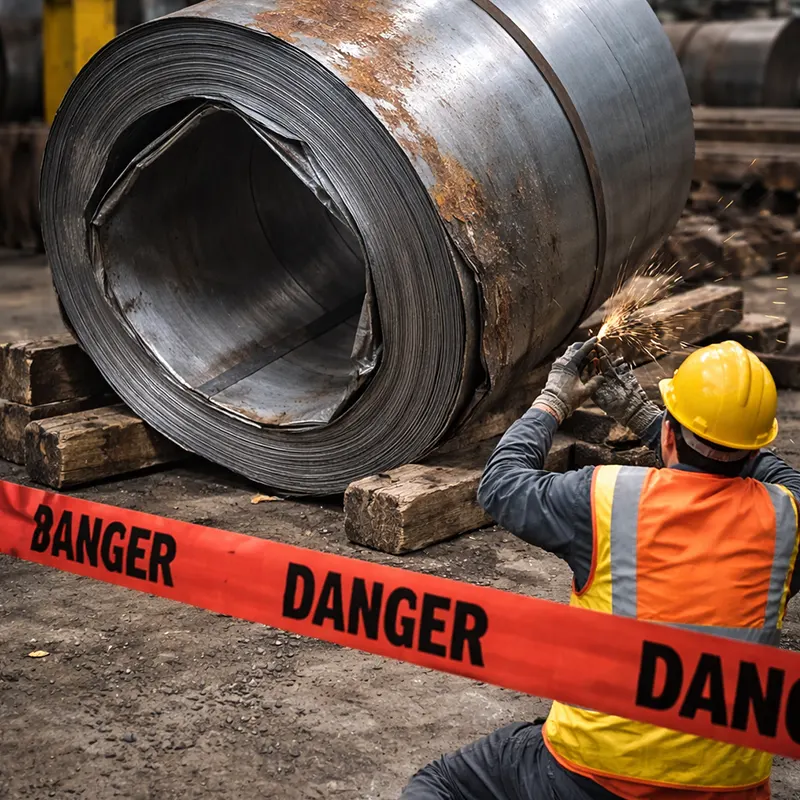
Improper steel coil storage is one of the leading causes of roll-out accidents and serious workplace injuries in metal processing facilities.
4. Inefficient Space Usage and Reduced Throughput
The Risk
Non-engineered storage layouts waste valuable floor space and disrupt material flow, resulting in:
- Congested handling zones
- Increased handling time
- Limited scalability
- Poor warehouse visibility
The Engineering Solution
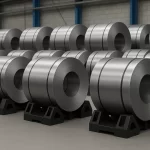
Modular coil storage blocks enable structured, high-density layouts that support both manual and automated handling. GLT Mühendislik designs storage systems that align physical layout with future-ready warehouse strategies, including AI-assisted planning and data-driven inventory management.
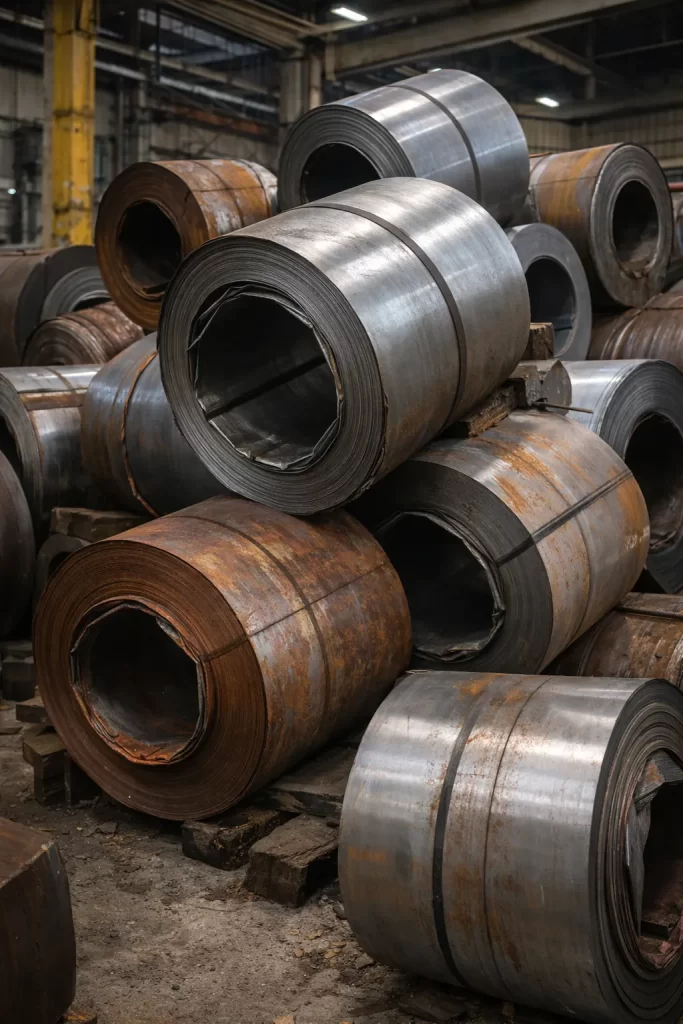
Inefficient steel coil storage layouts directly impact warehouse capacity, handling speed, and overall operational efficiency.
5. Loss of Traceability and Quality Control Alignment
The Risk
In modern steel operations, traceability is inseparable from quality assurance. Improper storage makes it difficult to maintain batch integrity, digital identification, and process accountability.
The Engineering Solution
Engineered coil storage blocks support systematic organization and seamless integration with ERP, WMS, and quality tracking systems. GLT Mühendislik emphasizes storage as a physical extension of digital quality infrastructure.
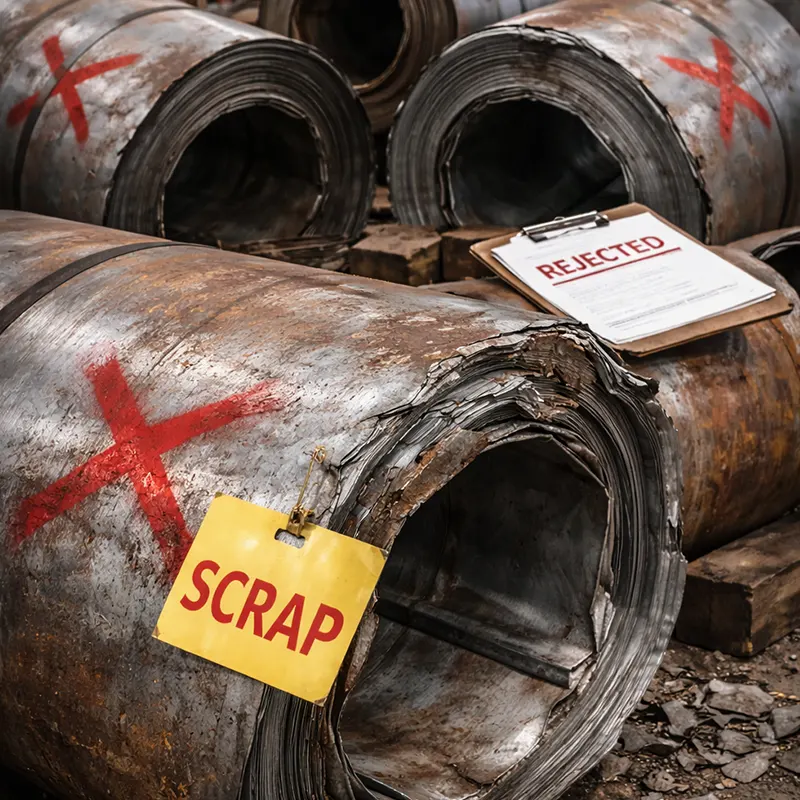
Improper steel coil storage often leads to irreversible material damage, scrap generation, and significant financial losses over time.
Who Is This Approach Suitable For?
Engineering-based steel coil storage systems are ideal for:
- Steel service centers
- Metal processing and slitting facilities
- Automotive and appliance supply chains
- Aluminum and copper producers
- Export-focused manufacturers with strict quality standards
Any operation where coil integrity directly affects downstream performance will benefit from professionally engineered storage solutions.
GLT Muhendislik: Engineering Beyond the Product
GLT approaches coil storage as a complete engineering service. Beyond manufacturing coil storage blocks, the company provides:
- Pre-sales engineering analysis
- Custom system design
- Local manufacturing in Türkiye
- On-site installation and commissioning
- After-sales technical support and optimization
This holistic approach ensures that storage systems not only prevent damage but also enhance long-term operational efficiency.
Conclusion: Storage Is a Strategic Engineering Decision
Improper steel coil storage introduces hidden risks that escalate over time. In contrast, engineered solutions—such as those detailed in GLT Muhendislik’s ultimate guide to coil storage blocks—transform storage into a proactive risk management strategy.
In 2026 and beyond, investing in engineered coil storage is an investment in safety, quality, and operational resilience.